
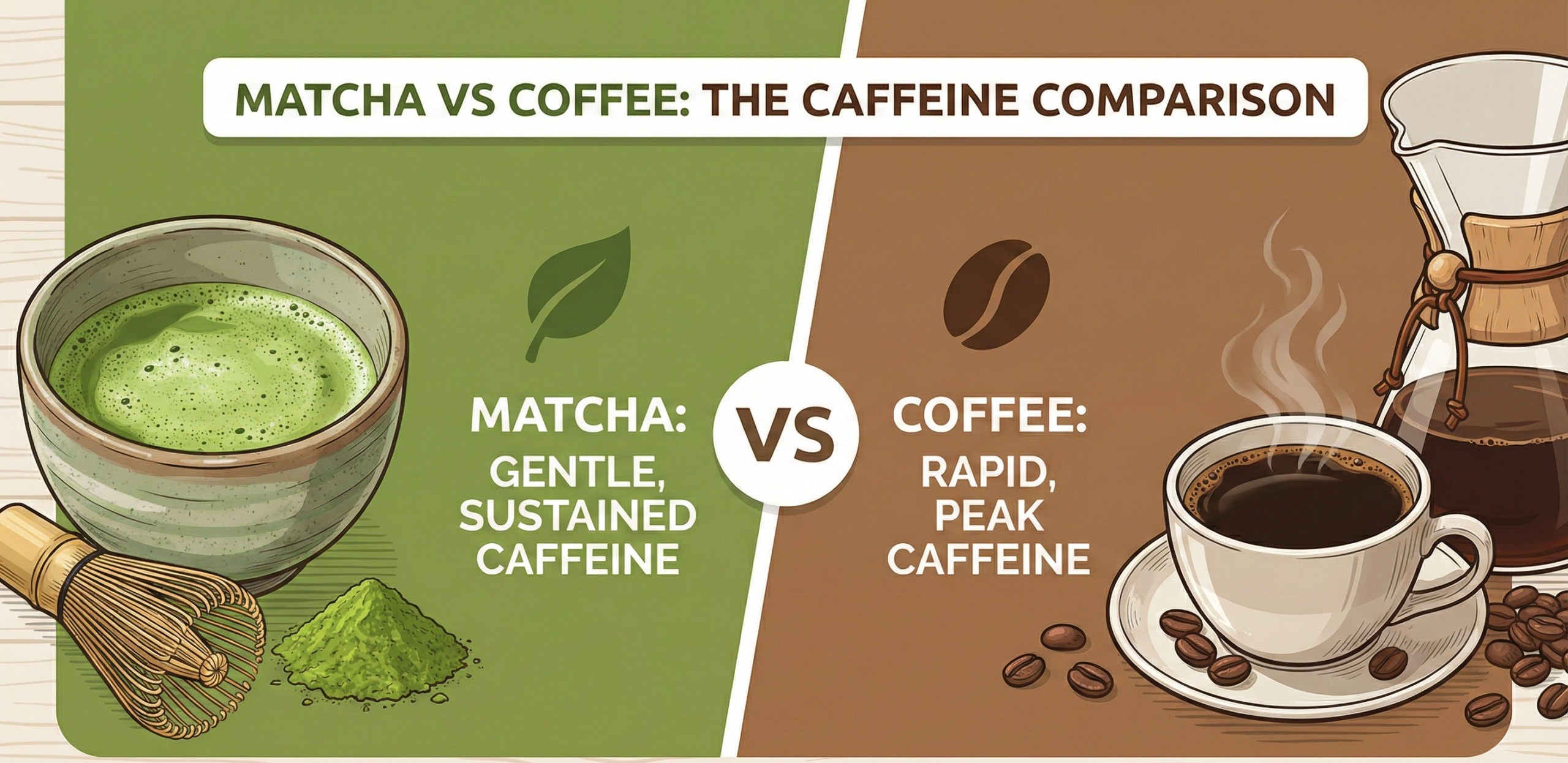
Matcha vs. Coffee Caffeine: Which Brew Reigns Supreme for Energy?
The alarm rings. For millions of us, the very next thought is liquid energy. For decades, that meant one thing: coffee. The dark, aromatic roast is the fuel of the modern workforce. But recently, a vibrant green challenger has entered the ring, promising a cleaner, sustained energy boost without the infamous crash.
The debate of matcha vs. coffee caffeine is more than just a matter of taste; it is a question of biochemistry. How do you want to feel? Wired and frantic, or calm and focused?
While coffee acts like a sledgehammer to your drowsiness, matcha is more like a precise laser. In this comprehensive comparison, we are stripping away the hype to look at the science. We will analyze the milligram-for-milligram caffeine content, the impact on your anxiety levels, and the long-term health benefits to help you decide which mug deserves a spot in your morning routine.
At a Glance: The Caffeine Breakdown
Before we dive into the deep science, let’s look at the numbers. Here is how a standard cup of coffee stacks up against a traditional serving of matcha.
| Feature | Coffee (8 oz) | Matcha (1 tsp / 2g) |
|---|---|---|
| Caffeine Content | 95mg – 140mg | 35mg – 70mg |
| Onset of Energy | Rapid (10–15 mins) | Gradual (30 mins) |
| Duration of Effect | 1–3 hours | 4–6 hours |
| The “Crash” Factor | High | Low (Zero crash for most) |
| Primary Antioxidants | Chlorogenic Acid | Catechins (EGCG) |
| Acidity (pH) | 4.8–5.1 (Acidic) | 9.0 (Alkaline) |
The Science of the Buzz: How They Hit Your Brain
You might be wondering: “If coffee has more caffeine, surely it’s better for waking me up?” Not necessarily. The quantity of caffeine matters less than the delivery system.
Coffee: The Adrenaline Spike
When you drink coffee, the caffeine is rapidly absorbed into your bloodstream. It crosses the blood-brain barrier and immediately blocks adenosine receptors—the chemicals that tell your brain you are tired. This triggers a spike in adrenaline and cortisol.
It’s effective, but it’s aggressive. This rapid spike is often what leads to the “jitters,” anxiety, and the dreaded mid-afternoon slump. If you are already managing a high-stress life—perhaps following the ultimate self-care checklist for busy professionals—adding a cortisol spike might be counterproductive to your mental wellness.
Matcha: The L-Theanine Synergy
Matcha is different. Yes, it contains caffeine, but it also contains a unique amino acid called L-Theanine. This compound is a game-changer. L-Theanine promotes the production of alpha waves in the brain, which are associated with a state of “relaxed alertness.”
Instead of the jagged nervous energy of coffee, matcha provides a smooth, flat line of focus. The L-Theanine binds to the caffeine molecules, slowing their absorption into the bloodstream. This means you get a gentle lift that lasts for 4 to 6 hours, rather than a 90-minute explosion followed by a crash.
For those who struggle with anxiety, this distinction is vital. We often recommend meditation apps to manage stress—see our review of Headspace vs Calm vs Insight Timer—but switching your caffeine source can tackle the physiological root of anxiety before you even need to meditate.

Start With the Best: Jade Leaf Organic Ceremonial Grade Matcha
Don’t judge matcha by the bitter, culinary-grade stuff found in cheap lattes. To experience the L-Theanine calm, you need ceremonial grade powder.
Check Price on AmazonHealth Benefits: The Antioxidant War
Both beverages are touted as superfoods, but for very different reasons. Let’s break down what they are actually doing to your body.
Matcha: The Skin and Metabolism Hero
Because you are consuming the entire tea leaf (ground into powder) rather than just steeping it, one cup of matcha has the nutritional equivalent of 10 cups of regular green tea. It is packed with EGCG (Epigallocatechin Gallate), a potent antioxidant known to fight cancer properties and boost metabolism.
The high antioxidant count is also fantastic for your skin, fighting the free radicals that cause aging. It fits perfectly alongside a regimen like the essential 4-step skincare routine checklist, working from the inside out to clarify your complexion.
Furthermore, studies suggest matcha can increase thermogenesis (the rate at which your body burns calories) significantly more than coffee. If you are debating pilates versus yoga for weight loss, adding a cup of matcha beforehand can amplify the fat-burning effects of either workout.
Coffee: The Liver and Heart Protector
Coffee shouldn’t be demonized. It is the single largest source of antioxidants in the Western diet. Regular black coffee consumption has been linked to a reduced risk of Type 2 diabetes, liver disease, and Alzheimer’s.
However, coffee is highly acidic. For those with sensitive stomachs, acid reflux, or IBS, coffee can be a trigger. Matcha, being alkaline, is much gentler on the digestive system.
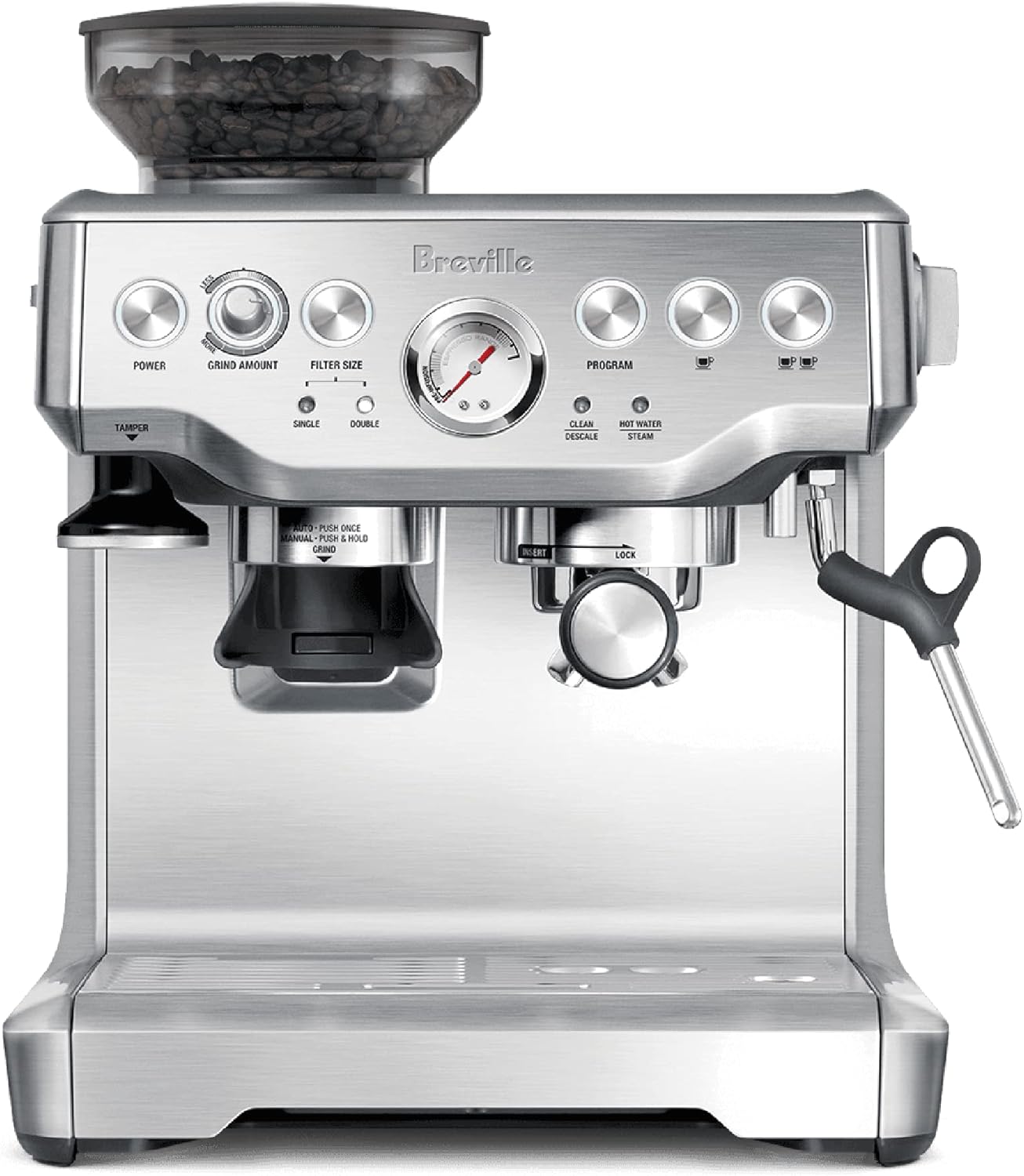
For the Coffee Purist: Breville Barista Express
If you stick with coffee, quality matters. Control the acidity and extraction with a machine that grinds fresh beans for every cup.
Check Price on AmazonThe Ritual: Convenience vs. Ceremony
Your choice might come down to how much time you have in the morning.
The Coffee Ritual
Coffee is the king of convenience. With modern machines, you press a button and walk away. It smells like comfort and home. However, brewing great coffee often requires gadgets. If you love optimizing your kitchen, you’ve likely looked at the top 5 kitchen gadgets that are actually worth the money—a high-end grinder or espresso machine is usually on that list.
The Matcha Ceremony
Matcha requires mindfulness. You cannot just dump hot water on it; it will clump. You need to sift the powder, add water at precisely 175°F (never boiling!), and whisk it with a bamboo chasen until a froth forms.
This process is arguably a benefit. In a world of instant gratification, the 3 minutes it takes to prepare matcha acts as a micro-meditation. It forces you to slow down. It’s a practical application of reducing screen time—put the phone down and focus on the whisking.
Pros & Cons: The Summary
🍵 Matcha — Pros
- Sustained Energy: No crash, thanks to L-Theanine.
- Breath Freshening: Natural antibacterial properties improve oral health.
- Metabolism Boost: Burns calories faster than coffee.
- Alkaline: Gentle on the stomach.
Matcha — Cons
- Price: Good matcha is significantly more expensive than coffee.
- Preparation: Requires tools (whisk, bowl) and technique.
- Taste: Grassy and earthy; an acquired taste for many.
☕ Coffee — Pros
- Immediate Kick: Best for waking up quickly.
- Accessibility: Available everywhere, cheap and easy.
- Taste Variety: Endless roasts, origins, and brewing methods.
- Performance: Proven to boost physical athletic performance.
Coffee — Cons
- The Crash: Energy levels plummet after a few hours.
- Anxiety: Can trigger jitters and palpitations.
- Sleep Disruption: Half-life is longer, affecting deep sleep stages.
- Staining: Notorious for yellowing teeth.
The L-Theanine:Caffeine Ratio — The Neuroscience of Calm Focus
The most compelling scientific argument for matcha over coffee is not calorie count or antioxidant content—it is the synergistic relationship between L-Theanine and caffeine at specific molecular ratios. Understanding this biochemistry explains why matcha drinkers consistently report feeling “alert but calm” rather than “wired.”
What L-Theanine Actually Does in Your Brain
L-Theanine (gamma-glutamylethylamide) is an amino acid found almost exclusively in the leaves of Camellia sinensis—the same plant that produces all tea, including matcha. A typical serving of ceremonial matcha contains approximately 25–30mg of L-Theanine alongside its 35–70mg of caffeine.
L-Theanine works through three primary mechanisms in the brain:
- Alpha Wave Promotion: L-Theanine directly increases alpha brain wave activity, the same state associated with mindfulness meditation. Alpha waves are linked to creative problem-solving, reduced anxiety, and a state of focused calm—alert but not agitated.
- Glutamate Receptor Antagonism: L-Theanine partially blocks NMDA receptors and inhibits excitatory glutamate activity, which is the neurotransmitter most responsible for anxiety and nervous system overstimulation. This is why matcha does not produce the racing thoughts or physical jitters associated with high caffeine doses.
- GABA Enhancement: L-Theanine increases levels of GABA (gamma-aminobutyric acid), the brain’s primary inhibitory neurotransmitter. Higher GABA activity produces feelings of calm, reduced fear, and improved mood.
The Optimal 2:1 Ratio
Research from the University of Shizuoka found that a caffeine:L-Theanine ratio of approximately 2:1 (double the caffeine relative to L-Theanine) produces optimal cognitive performance across attention tasks, working memory, and reaction time—significantly outperforming either compound alone. A quality ceremonial matcha naturally provides this ratio: approximately 50–70mg caffeine to 25–35mg L-Theanine per serving.
This is the biochemical reason for matcha’s reputation for producing a state Japanese tea masters call chisoku—a peaceful, satisfied alertness. Coffee, containing no L-Theanine, cannot replicate this neurological state regardless of its higher caffeine content.
🧪 L-Theanine Supplement Note: Some coffee drinkers purchase L-Theanine supplements (100–200mg capsules) to take alongside their morning coffee to replicate matcha’s calm-focus effect. This is a legitimate nootropic strategy—but it requires remembering to take the supplement every morning and adds cost. Matcha delivers the ratio naturally in a single cup.
Matcha Grades Explained: Ceremonial, Latte, and Culinary — What to Buy
One of the most common matcha mistakes is purchasing the wrong grade. The experience, taste, L-Theanine content, and cost differ dramatically between matcha grades. Buying culinary-grade matcha expecting a ceremonial experience is like making filter coffee from pre-ground supermarket beans and wondering why it doesn’t taste like a specialty espresso bar.
🏆 Ceremonial Grade
Made from the youngest, first-harvest shade-grown leaves (tencha). The most vibrant green color. Sweetest, most umami-rich flavor. Highest L-Theanine and chlorophyll content. Meant to be drunk pure with just water—no milk or sweetener. Best quality for drinking straight.
$25–$60+ per 30g🥈 Latte / Barista Grade
A middle tier specifically formulated to cut through milk and hold its flavor in lattes and oat milk drinks. More robust flavor than ceremonial. Excellent for matcha lattes, iced matcha, and smoothies. The most practical daily-use grade for most Western consumers.
$15–$30 per 30g🥣 Culinary Grade (Ingredient Grade)
Made from older, more fibrous leaves. Bitter and astringent when drunk with water alone. Intentionally designed for baking, cooking, and recipes where it is mixed with sweeteners, fats, or strong flavors. Lower L-Theanine content than higher grades.
$5–$15 per 30g⭐ Single-Origin / Reserve
Specialty matcha from specific farms in Uji (Kyoto), Nishio (Aichi), or Yame (Fukuoka)—Japan’s premium tea regions. Equivalent to single-origin specialty coffee. Flavor profiles vary by terroir. The highest caffeine and L-Theanine concentrations of any matcha category.
$60–$120+ per 30gMatcha Origin Matters: Japan vs. China
Japanese matcha and Chinese matcha are categorically different products, even though both are made from ground green tea leaves. Japanese matcha—grown in the Uji, Nishio, or Yame regions—undergoes a strict shading process (covering the plants for 20–30 days before harvest) that dramatically increases chlorophyll, L-Theanine, and the characteristic umami sweetness. Chinese “matcha” is often simply ground green tea without the shading process, producing a more yellow-green color, more bitter taste, and significantly lower L-Theanine content.
⚠️ Lead Contamination in Matcha: Some matcha products, particularly those from China or low-quality sources, have been found to contain elevated lead levels. Since you consume the whole leaf rather than steeping and discarding it, any lead present in the leaves enters your body directly. Choose certified organic matcha from Japan with independent third-party testing. The brands Jade Leaf, Ippodo, and DoMatcha regularly publish their heavy metal testing results.
Not All Coffee Is Equal: Caffeine Content by Brewing Method
Coffee drinkers often assume a “cup of coffee” is a standardized unit of caffeine. It is not. The caffeine content of coffee varies by an order of magnitude depending on the brewing method, grind size, bean variety (Arabica vs. Robusta), roast level, and serving size. Understanding your specific coffee format’s caffeine load is essential for managing energy, sleep, and anxiety.
☕ Drip / Filter Coffee
The most common format. Caffeine content varies widely by bean and brew ratio. Uses the longest extraction time of any hot brew method.
95–140mg per 8oz⚡ Espresso (Single Shot)
Despite its reputation, a single 1oz espresso shot has less total caffeine than a cup of drip coffee—just more concentrated per volume. Double shots are standard in most café drinks.
63–75mg per 1oz shot🧊 Cold Brew
Steeps ground coffee in cold water for 12–24 hours, producing a concentrate that is diluted before serving. The long steep time extracts significantly more caffeine than hot brewing. One of the highest-caffeine formats available.
150–240mg per 8oz🫖 French Press
Immersion brewing with a coarser grind. Full-body, unfiltered coffee. Slightly less caffeine than drip due to coarser grind but significantly more cafestol (a compound linked to cholesterol elevation).
80–135mg per 8oz🟢 Moka Pot
Produces espresso-style coffee at home using stovetop pressure. Stronger per volume than drip. Popular in Italian and Latin American households as a daily driver.
105–130mg per 3oz🫙 Instant Coffee
Surprisingly lower in caffeine than freshly brewed coffee. The spray-drying and freeze-drying manufacturing processes degrade caffeine content. Often used by travelers or those wanting a lower-caffeine coffee option.
27–70mg per 8oz☕ Roast Level and Caffeine: Contrary to popular belief, dark roasts do not have more caffeine than light roasts—they have slightly less. The roasting process breaks down caffeine molecules over time. However, dark roasts are less dense, so if you measure coffee by volume (scoops), dark roast will contain slightly more caffeine per cup. If you measure by weight (grams), light roast has marginally more. The difference is minor—roughly 5–10mg per cup—and dwarfed by brewing method variation.
Caffeine Timing, Sleep Science, and Your Circadian Rhythm
When you consume caffeine matters almost as much as how much you consume. The interaction between caffeine and your body’s natural sleep-wake cycle is one of the most significant—and most commonly mismanaged—factors in daily energy levels and sleep quality.
The 90-Minute Morning Rule
Neuroscientist Dr. Andrew Huberman popularized the “90-minute delay” rule: waiting 90–120 minutes after waking before consuming caffeine. Here is the science behind it:
Upon waking, your brain clears adenosine (the sleep pressure chemical) as part of your natural cortisol awakening response (CAR). Cortisol peaks naturally within 30–45 minutes of waking, providing natural alertness. Consuming caffeine immediately upon waking “blocks” adenosine receptors that are already naturally clearing, providing a false sense of caffeine effectiveness. When the caffeine wears off in mid-morning, the adenosine that was blocked floods back, causing a more severe mid-morning crash than would otherwise occur.
By waiting 90–120 minutes, you allow your natural cortisol peak to pass and your adenosine to partially accumulate again—then the caffeine provides genuine, long-lasting benefit rather than just masking the natural waking process.
Caffeine Half-Life: Why Your 3pm Coffee Disrupts Your 11pm Sleep
Caffeine has an average half-life of 5–6 hours in healthy adults—meaning half of the caffeine you consume remains active in your bloodstream 5–6 hours later. Individual genetics (specifically the CYP1A2 gene variant) cause significant variation: slow metabolizers retain 75% of their caffeine after 6 hours, while fast metabolizers retain only 25%.
- 7:00 AM — 200mg coffee consumedFull caffeine effect. Adenosine blocked, cortisol and adrenaline elevated. Peak alertness and cognitive performance.
- 12:00 PM — 100mg still activeHalf-life reached. Energy still elevated but declining. Optimal window for a second moderate caffeine dose if needed.
- 5:00 PM — 50mg still activeSecond half-life. Many people feel this residual caffeine as difficulty “switching off” in the evening. Not enough to feel alert, but enough to suppress deep sleep onset.
- 10:00 PM — 25mg still activeThird half-life. This small residual amount can delay sleep onset by 27–40 minutes on average and significantly reduces slow-wave (restorative) sleep even when you do fall asleep.
The Matcha Timing Advantage
Because matcha contains roughly half the caffeine of coffee per serving, its half-life impact is proportionally reduced. A 65mg matcha serving consumed at noon leaves approximately 16mg active at 10pm—well below the threshold for sleep disruption in most individuals. This makes matcha the far superior choice for an afternoon energy boost without sacrificing sleep architecture. The Japanese tradition of drinking matcha in the late afternoon (a custom still practiced in formal tea ceremonies) is physiologically sound in a way that a 3pm espresso is not.
🌙 Sleep Rule of Thumb: Stop coffee consumption at least 8–10 hours before your intended bedtime. With matcha’s lower caffeine, this window can be reduced to 5–6 hours before bed for most people. If you want an afternoon energy boost that does not compromise your 10pm sleep, choose matcha over coffee after 12pm.
Matcha vs. Coffee as Nootropics: Focus, Memory, and Cognitive Performance
A nootropic is any substance that enhances cognitive function—memory, creativity, focus, or executive function. Both matcha and coffee are among the most widely consumed nootropic substances on earth, but they optimize for different cognitive tasks.
🍵 What Matcha Optimizes
- Sustained Attention: L-Theanine’s alpha wave promotion maintains focus over 3–5 hour work blocks without degradation. Ideal for deep work, writing, coding, studying.
- Working Memory: The caffeine+L-Theanine combination has been shown in multiple trials to improve working memory performance more than caffeine alone.
- Anxiety Reduction Under Pressure: The GABA-enhancing properties of L-Theanine reduce performance anxiety—useful for presentations, exams, or high-stakes meetings.
- Mood: L-Theanine modestly increases serotonin and dopamine production, contributing to the elevated, calm mood that matcha drinkers often describe.
- Long-Term Neuroprotection: EGCG crosses the blood-brain barrier and has demonstrated neuroprotective effects in animal studies, with early human research suggesting reduced risk of cognitive decline with regular consumption.
☕ What Coffee Optimizes
- Reaction Time: Coffee’s rapid, high-dose caffeine spike produces faster reaction times, beneficial for sports, gaming, or any task requiring quick reflexes.
- Short Burst Physical Performance: Well-established research shows caffeine improves endurance capacity and strength performance by 3–5%. Pre-workout coffee is widely used by athletes.
- Immediate Wakefulness: For transitioning from sleep to alert function as rapidly as possible, coffee’s aggressive adenosine blockade is unmatched. Nothing wakes you up faster.
- Dopamine Release: Coffee produces a stronger dopamine response than matcha, explaining its more addictive properties and the pronounced motivational “push” many users associate with their morning cup.
- Parkinson’s Protection: Regular coffee consumption has been linked in epidemiological studies to 25–30% reduced risk of Parkinson’s disease—a neuroprotective effect separate from matcha’s EGCG pathway.
Gut Health, Acid Reflux, and Digestive Impact
For a significant portion of caffeine consumers, the decision between matcha and coffee is ultimately settled by their digestive system rather than their brain. Coffee is one of the most common dietary triggers for gastrointestinal distress, while matcha is one of the most gut-friendly caffeinated beverages available.
Why Coffee Is Hard on the Gut
Coffee’s gastrointestinal impact operates through multiple mechanisms simultaneously. Coffee stimulates gastric acid secretion—triggering the stomach to produce more hydrochloric acid within minutes of consumption. For people with acid reflux, GERD, gastritis, or peptic ulcers, this increased acid production directly worsens their condition. Coffee also relaxes the lower esophageal sphincter (the valve between stomach and esophagus), allowing stomach acid to back up into the esophagus—the physical mechanism of heartburn.
Additionally, coffee’s laxative effect (well-known but often misunderstood) comes from it stimulating the release of cholecystokinin, which accelerates intestinal transit time. For people with IBS-D (diarrhea-dominant IBS), morning coffee can be a trigger within 30 minutes of consumption.
Matcha’s Gut-Friendly Properties
Matcha’s alkaline pH of approximately 9.0 makes it fundamentally gentler on the digestive system than acidic coffee. Rather than stimulating excess acid production, matcha can slightly buffer gastric acidity. The catechins in matcha (particularly EGCG) also have demonstrated prebiotic properties—they promote the growth of beneficial gut bacteria including Bifidobacterium species while inhibiting potentially harmful pathogens like Clostridium difficile.
For people managing acid reflux, IBS, or inflammatory bowel conditions, switching to matcha is often one of the first dietary interventions recommended by gastroenterologists after eliminating alcohol and spicy food.
⚠️ Important Caveat: While matcha is gentler than coffee, high-dose consumption on an empty stomach can cause nausea in sensitive individuals due to its high catechin concentration. Always consume matcha with food if you have a sensitive stomach, and do not exceed 2–3 servings daily. Excessive matcha consumption (5+ cups daily) has been associated with elevated liver enzyme levels in rare case reports—moderation remains essential.
Matcha vs. Coffee for Intermittent Fasting and Pre-Workout
Intermittent Fasting: Which Breaks Your Fast?
Both black coffee and plain matcha (no milk, no sweetener) are considered “fasting-safe” by most intermittent fasting protocols, as both contain essentially zero calories when prepared traditionally. However, their effects within the fasting window differ meaningfully.
☕ Coffee During Fasting
Black coffee may modestly enhance autophagy—the cellular self-cleaning process that is one of the primary mechanisms of fasting’s longevity benefits. However, coffee significantly raises cortisol, and in a fasting state (when cortisol is already naturally elevated from the overnight fast and morning waking), adding a cortisol spike can increase stress hormones to levels that impair fat burning and promote muscle catabolism in prolonged fasts.
🍵 Matcha During Fasting
Matcha is often considered the superior fasting companion. It provides mild energy and focus without the aggressive cortisol spike of coffee. EGCG actively enhances fat oxidation during fasted cardio, amplifying the fat-burning benefit of fasting. The amino acid L-Theanine may also have mild muscle-sparing effects, addressing one concern of extended fasting periods. Used widely in fasting communities for its appetite-suppressing properties that extend the comfortable fasting window.
Pre-Workout: Coffee Still Wins (Barely)
For pure athletic performance, the research slightly favors coffee as a pre-workout over matcha. The higher caffeine dose in coffee produces statistically greater improvements in strength output, sprint performance, and endurance capacity than lower-dose matcha. The 2016 International Society of Sports Nutrition position stand on caffeine recommends 3–6mg per kg of body weight taken 60 minutes before exercise—a target more easily reached with coffee than a single matcha serving.
However, matcha has its own pre-workout advantage: EGCG has been shown to improve fat oxidation during moderate-intensity exercise, meaning a higher percentage of calories burned come from stored fat when matcha is consumed pre-workout. For body composition goals (maximizing fat loss during workouts) rather than peak performance goals, matcha is competitive with coffee.
How to Make Perfect Matcha and Perfect Coffee: Step-by-Step Guides
The quality of your cup is determined as much by preparation technique as by the ingredient itself. Here are the definitive preparation guides for both beverages at their best.
🍵 The Perfect Matcha: Traditional Method
The most common matcha failure is clumping and bitterness—both caused by incorrect technique. Follow this precise process for a smooth, frothy, vibrant-green cup every time.
- Preheat your bowl (chawan). Add a small amount of hot water, swirl, and discard. This prevents the bowl from cooling your matcha water immediately and helps the whisk produce better froth.
- Sift 1–1.5 tsp (2–3g) of matcha powder through a fine mesh sieve directly into the bowl. Sifting prevents clumps from forming—the single most important step most beginners skip.
- Heat water to 175°F (80°C). Never use boiling water. Boiling water destroys L-Theanine and EGCG and creates harsh, bitter flavor. Use a temperature-controlled kettle or let boiled water cool for 3–4 minutes.
- Add 2–3 oz (60–90ml) of water to the sifted powder. Start with a small amount—you are making a concentrated paste before adding the rest.
- Whisk in a rapid “W” or “M” motion using a bamboo chasen (80–100 prong). Move the whisk across the bottom and sides of the bowl—never stirring in circles. Whisk vigorously for 30–45 seconds until a fine, persistent froth forms and no powder remains visible.
- For koicha (thick matcha): Use 3–4g powder with 1–1.5oz water and mix slowly. For usucha (thin matcha): use 1.5–2g with 3–4oz water and whisk until frothy. Drink immediately—matcha oxidizes and loses flavor within minutes of preparation.
☕ The Perfect V60 Pour-Over Coffee
The V60 pour-over method extracts maximum flavor clarity and aromatic complexity from single-origin beans. It is the specialty coffee industry’s benchmark brewing method for quality.
- Grind fresh. Use a medium-fine grind (table salt texture) for V60. Pre-ground coffee loses 60% of its aromatic compounds within 15 minutes of grinding. A burr grinder produces uniform particle size critical for even extraction.
- Ratio: 15g coffee to 250ml water (1:16.7 ratio) as a starting point. Adjust to taste: more coffee for stronger brew, less for lighter. Use a digital scale for consistency.
- Heat water to 200–205°F (93–96°C). This is just off boiling—the optimal temperature for extracting coffee compounds without burning the grounds.
- Bloom: Pour 30–40ml of water evenly over all grounds and wait 30–45 seconds. This allows CO₂ gas trapped in fresh coffee to escape (“degassing”), ensuring subsequent water flows evenly through the grounds rather than channeling around gas pockets.
- Pour in slow, controlled spirals from center outward, keeping water level consistent. Total pour time: 2:30–3:30 minutes. Slower pours = stronger extraction. Faster pours = lighter extraction.
- Remove filter and serve immediately. V60 coffee oxidizes rapidly—drink within 20 minutes for optimal flavor.

The Hybrid Solution: Zulay Milk Boss Frother
Too lazy for the bamboo whisk? This electric frother mixes matcha perfectly in seconds and works for coffee lattes too.
Check Price on AmazonWhich Drink Is Right for Your Caffeine Sensitivity Profile?
Caffeine sensitivity varies dramatically between individuals due to genetics, body weight, age, medication interactions, and habitual consumption levels. Understanding your sensitivity profile is the single most useful factor in determining which caffeinated drink—and at what dose—serves you best.
You feel anxious, jittery, or get heart palpitations after one cup of coffee. You cannot drink coffee after noon without sleep disruption. You have anxiety disorder, ADHD, or hyperthyroidism.
→ Choose Matcha. Low caffeine dose + L-Theanine anxiety modulation is ideal. Start with ½ tsp per serving.You enjoy 1–2 coffees per day without significant jitters. You can drink coffee until early afternoon. You sometimes experience a mid-afternoon energy crash.
→ Coffee in the morning, Matcha in the afternoon. Best of both worlds approach.You can drink multiple coffees daily with minimal anxiety. You have been drinking coffee for years. Your caffeine metabolism is fast (genetic fast metabolizer).
→ Either works well. Consider periodic caffeine breaks (1–2 weeks) to reset tolerance and restore sensitivity.You have heart arrhythmia, high blood pressure, GERD, IBS, or are pregnant. You are taking MAOIs, certain antibiotics (fluoroquinolones slow caffeine metabolism), or blood thinners.
→ Consult your physician. Low-dose matcha (½ tsp) is generally better tolerated medically than coffee, but always verify with your doctor.Caffeine Dependence and Withdrawal: What to Know
Caffeine is the world’s most widely consumed psychoactive substance, and it produces genuine physical dependence with regular use. The mechanism: with consistent daily caffeine intake, the brain compensates by upregulating adenosine receptors—creating more of the receptors that caffeine blocks. This is the neurological basis of caffeine tolerance (needing more caffeine to feel the same effect) and withdrawal symptoms when caffeine is stopped abruptly.
Common caffeine withdrawal symptoms (onset 12–24 hours after last dose, peak at 20–48 hours, resolve within 7 days) include headache (the most common, affecting 50% of regular users), fatigue, irritability, difficulty concentrating, depressed mood, and flu-like symptoms. To avoid withdrawal, taper caffeine intake gradually over 1–2 weeks rather than stopping cold turkey.
Matcha drinkers experience milder withdrawal than equivalent coffee drinkers due to lower caffeine doses. This is one practical advantage of transitioning from coffee to matcha—the reduced daily caffeine intake gradually lowers receptor upregulation and makes it easier to eventually go caffeine-free for periodic tolerance resets.
Cost Comparison: What You Actually Pay Per Cup
The perception that matcha is “expensive” and coffee is “cheap” is accurate at a headline level but deserves more nuance. The cost-per-cup calculation depends heavily on the quality tier you are comparing.
| Product | Price | Servings | Cost Per Cup |
|---|---|---|---|
| Ceremonial Grade Matcha (Jade Leaf) | ~$28 for 30g | 15 servings (2g each) | ~$1.87/cup |
| Latte Grade Matcha | ~$18 for 30g | 15 servings | ~$1.20/cup |
| Specialty Single-Origin Coffee Beans | ~$20 for 250g | 16 cups (15g each) | ~$1.25/cup |
| Mid-Range Coffee (e.g., Starbucks ground) | ~$12 for 340g | 22 cups | ~$0.55/cup |
| Café Coffee (drip) | $3–$5 per cup | 1 | $3–$5/cup |
| Café Matcha Latte | $6–$9 per cup | 1 | $6–$9/cup |
When comparing home preparation, quality-tier-for-quality-tier, ceremonial matcha and specialty coffee cost approximately the same per cup ($1.20–$1.90). The cost premium of matcha versus coffee is primarily felt at the café level, where matcha lattes command a $2–$4 premium over equivalent coffee drinks due to higher ingredient costs and labor-intensive preparation.
Final Verdict: Who Wins?
The winner of the matcha vs coffee caffeine battle depends entirely on your lifestyle goals.
Stick with Coffee If:
You are a deep sleeper who needs a powerful jolt to get moving in the morning, or you are an endurance athlete looking for a proven performance enhancer. If you love the ritual of roasting and brewing and have a healthy stomach, coffee remains a classic for a reason. Coffee is also the clear choice for those who need rapid, immediate alertness—emergency responders, early-morning shift workers, or anyone whose job requires peak physical performance within 30 minutes of waking.
Switch to Matcha If:
You suffer from anxiety, afternoon crashes, acid reflux, or poor sleep quality. Matcha is the superior choice for “knowledge workers”—people who need sustained mental clarity for 4–5 hours to code, write, or strategize without the nervous foot-tapping. It is also the better choice for those prioritizing long-term skin health, gut microbiome health, and metabolism support. If you are currently a heavy coffee drinker experiencing diminishing returns from caffeine (a sign of significant tolerance buildup), transitioning to matcha for 4–6 weeks can reset your caffeine sensitivity dramatically.
The Optimal Strategy: The Hybrid Protocol
Many health-conscious high performers use both strategically throughout the day: a single cup of coffee 90 minutes after waking for the morning cortisol co-optimization benefit, then matcha between 12pm and 3pm for sustained afternoon focus without the sleep disruption risk of a second coffee. This hybrid approach maximizes the respective strengths of each beverage while minimizing their weaknesses.
Remember, ensuring you have the energy to cook healthy weeknight dinner ideas starts with how you caffeinate during the day. Get the timing right, and you will have consistent energy all the way through your evening routine.
Frequently Asked Questions
Generally, no. An 8oz cup of drip coffee contains about 95–140mg of caffeine, while a typical serving of matcha (1 tsp / 2g) contains about 35–70mg. However, because matcha is a powder suspended in water rather than steeped and discarded, you ingest all the caffeine present—making matcha more potent gram-for-gram than steeped tea. The total caffeine per serving is still lower than coffee, but it is 100% bioavailable.
Matcha contains L-Theanine, an amino acid that promotes alpha brain wave activity, enhances GABA levels, and partially blocks excitatory glutamate receptors. These combined effects smooth the caffeine spike, preventing the adrenaline surge associated with coffee jitters. The optimal caffeine:L-Theanine ratio of approximately 2:1 found in quality matcha has been shown in clinical trials to produce superior cognitive performance compared to either compound alone.
Both can aid weight loss, but matcha has a meaningful edge. Matcha’s EGCG has been specifically shown to boost fat oxidation during moderate exercise by up to 17%, increase thermogenesis by 4% of total daily energy expenditure, and improve insulin sensitivity. Coffee has broader metabolic benefits (reduced type 2 diabetes risk) but does not produce the targeted fat-oxidation enhancement of EGCG. For fat burning during workouts specifically, matcha is superior.
Yes—and many health-conscious consumers do this strategically. The popular approach: coffee in the morning (90 minutes after waking) for the initial cortisol co-optimization, then matcha between 12pm and 3pm for sustained afternoon focus. Since matcha’s lower caffeine dose has a proportionally smaller sleep-disrupting half-life, afternoon matcha is far safer for sleep quality than an afternoon espresso.
Matcha can temporarily stain teeth green if not rinsed afterward, but it does not cause the permanent yellow-brown tannin staining associated with coffee or black tea. Matcha actually contains catechins with antibacterial properties that reduce the bacteria responsible for plaque, bad breath, and cavities. Regular coffee drinkers who switch to matcha often notice improved oral health alongside reduced staining within weeks.
Ceremonial grade matcha is made from the youngest, first-harvest shade-grown tea leaves, producing a vibrant green powder with sweet, umami-rich flavor and the highest L-Theanine content. It is designed to be drunk pure with just water. Culinary grade is made from older leaves, is more bitter and astringent, and is specifically intended for baking, cooking, and recipes where other flavors mask its bitterness. Using culinary grade for drinking produces the disappointing, bitter experience that puts many people off matcha.
Most obstetric guidelines recommend limiting caffeine to 200mg per day during pregnancy. A single matcha serving (35–70mg caffeine) allows more flexibility within this limit than an 8oz coffee (95–140mg). However, matcha’s high EGCG content is a consideration—high-dose EGCG supplementation has shown fetal effects in animal studies, though at doses far above normal dietary consumption. One cup of matcha per day is generally considered safe, but always consult your physician or midwife before consuming any caffeinated beverage during pregnancy.
Dirty matcha is espresso poured over (or under) a prepared matcha latte—combining both caffeine sources in a single drink. The result is approximately 130–200mg of caffeine plus L-Theanine in one glass. Proponents claim the L-Theanine from the matcha smooths the combined caffeine hit more than espresso alone. Taste-wise, the bittersweet contrast between earthy matcha and espresso is genuinely excellent. As a daily driver it is high in caffeine, so it is best suited for occasional use or for high-tolerance coffee veterans transitioning toward matcha.
Most health authorities consider 2–3 servings of matcha per day (4–6g total powder) safe for healthy adults. Beyond 5 servings daily, the cumulative EGCG content (the primary catechin in matcha) may begin to tax the liver in susceptible individuals—rare but documented in case reports. The FDA’s general caffeine safety guidance of no more than 400mg per day for healthy adults is the primary limiting factor, reached after approximately 6–10 matcha servings. For practical purposes, 1–3 cups daily is both safe and sufficient for all the health benefits matcha offers.
Upon waking, your brain undergoes a natural cortisol awakening response (CAR) that peaks within 30–45 minutes—providing natural alertness without caffeine. Consuming caffeine immediately blocks adenosine receptors that are already being naturally cleared, providing less benefit than it appears to and setting up a more severe mid-morning crash when the caffeine wears off and backed-up adenosine floods back. Waiting 90–120 minutes allows your natural cortisol peak to complete, then using caffeine as a genuine supplement to your natural wakefulness system rather than a substitute for it produces more sustained, stable energy throughout the day.
Conclusion
Whether you choose the dark roast or the green froth, the goal is the same: a better, more productive you. The science is clear that neither beverage is universally superior—each excels in a different physiological context, for a different type of person, at a different time of day.
If you have never given quality ceremonial matcha a genuine 14-day trial, do it. Notice how your anxiety levels, afternoon energy quality, sleep depth, and skin appearance shift when the L-Theanine is working with your caffeine rather than against it. You may find you stop needing the second (and third) coffee of the day—not because matcha is weaker, but because its energy is better distributed.
And if you love coffee too much to give it up: don’t. Instead, make the timing and quality of your coffee choices as deliberate as the choice itself. Drink less, drink better, and let matcha take the afternoon shift.
Ready to brew?
Get the best of both worlds delivered to your door.
Browse Top Rated Coffee & Tea on Amazon