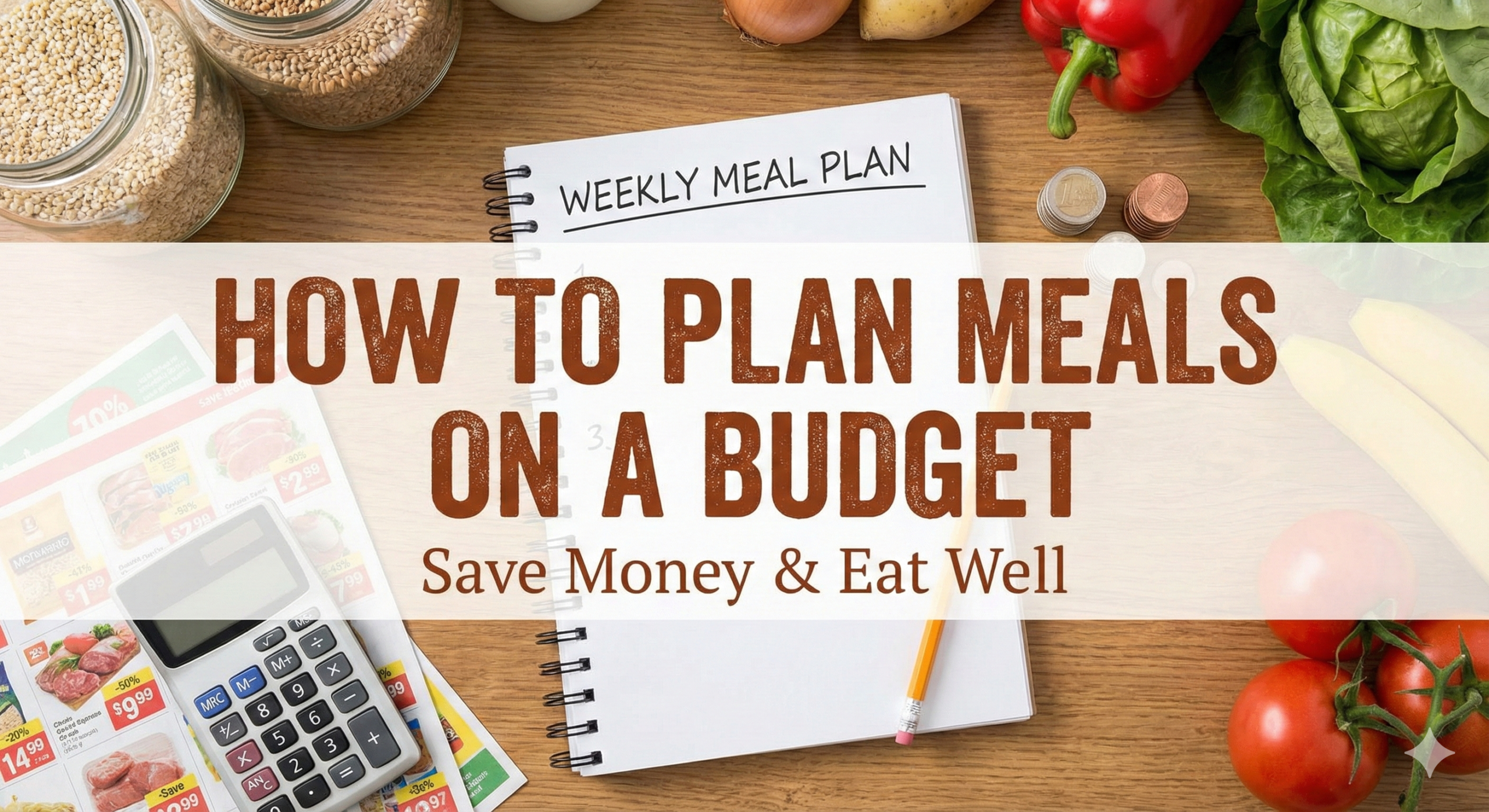
How to Plan Meals on a Budget: The Master Guide to Saving Thousands
Stop throwing money in the trash. Learn the strategic system to slash your grocery bill by 40% without sacrificing flavor, nutrition, or your sanity.
In a world where grocery prices seem to climb higher every time you blink, the act of feeding yourself and your family has transformed from a basic necessity into a financial puzzle. You walk into the supermarket for “just a few things” and walk out $100 poorer with nothing substantial to show for it. It’s a cycle of reactive spending that drains your bank account and leaves you wondering, “Where did all the money go?”
The solution isn’t necessarily to eat less or buy lower-quality food. The solution is strategic foresight. Learning how to plan meals on a budget is a high-leverage skill. It sits right alongside the 7 habits of people who are good with money. It transforms you from a consumer who is marketed to, into a strategic buyer who knows exactly what they need.
This comprehensive guide is not just about clipping coupons (though that helps). It is a complete structural overhaul of how you approach food. We will cover the “Pantry Audit,” the psychology of the supermarket, how to use “stretcher” ingredients, and how to combat the decision fatigue that leads to expensive takeout orders. If you struggle with organizing your thoughts around this, you might find our guide on decision fatigue and ADHD particularly illuminating.
Prepare to save thousands of dollars a year. Let’s dive in.
Phase 1: The Audit – Know Your Numbers and Your Stock
You cannot manage what you do not measure. Before you look at a single recipe, you need to look at your reality.
1. Establish Your “Real” Food Budget
Most people guess their food budget. To actually save money, you need a hard cap. We highly recommend using a Zero-Based Budgeting approach. This ensures every dollar has a job before the month begins. If you aren’t familiar with this method, read our checklist on creating a zero-based budget.
The Strategy: Calculate your average spending from the last 3 months. Then, aim to cut it by 15% for the first month. Don’t aim for 50% immediately; that leads to “frugality burnout.”
2. Shop Your Pantry First
The cheapest grocery store is the one already in your kitchen. We often ignore the cans of beans, half-bags of rice, and frozen veggies we already own.
- The Freezer Dive: Pull everything out. That bag of frozen spinach? That’s the base of a pasta dish. (Debating fresh vs frozen? Read fresh vs frozen vegetables: which is better?).
- The Spice Rack Check: Spices are expensive. Build meals around the flavors you already have.
- The “Use It or Lose It” Box: Create a physical box in your fridge for items expiring this week. Prioritize these for Day 1 and Day 2 of your plan.

Keep your inventory and meal plan visible. If you see it, you use it. Reduces waste effectively.
Check Price on AmazonPhase 2: Strategic Ingredient Selection
Budget meal planning is about “Price Per Nutrient.” You want high satiety for low cost. This means rethinking your protein sources and embracing versatility.
The Protein Pivot
Meat is usually the most expensive part of a meal. You don’t have to go full vegetarian, but swapping or stretching meat is essential.
| Protein Source | Cost Efficiency | Versatility Score | Best Use Case |
|---|---|---|---|
| Chicken Thighs (Bone-in) | High | 9/10 | Roasting, Stews, Soups |
| Dried Lentils | Very High | 8/10 | Curries, Salads, Soup thickener |
| Eggs | High | 10/10 | Breakfast, Frittatas, Fried Rice |
| Canned Tuna | Medium | 6/10 | Sandwiches, Pasta bakes |
| Whey Protein | Medium-High | 5/10 | Quick breakfast (See Whey vs Plant Protein) |
Alternative Milks and Staples
Often, specialty items drain the budget. If you drink plant milk, making it at home can be cheaper, or buying in bulk. Understanding the nutritional value and cost difference is key. Check out our comparison of soy vs oat vs almond vs coconut milk to see which gives you the best bang for your buck.
The “Stretcher” Ingredients
These are cheap items that bulk up a meal so you feel full without eating 16oz of steak.
Rice, Oats, Potatoes, Pasta, and Cabbage.
Always keep these in stock. They are the canvas; the protein and sauce are the paint.
Phase 3: The 5-Step Planning Process
Now that we have the raw data, we build the plan. This requires focus. We recommend using a method similar to time blocking to dedicate 30 minutes a week strictly to this task.
Step 1: Check the Circulars (Ads)
Don’t decide what you want to eat and then check the price. Check the price, then decide what to eat. If ground beef is on sale, it’s taco week. If asparagus is $5 a pound, we aren’t eating asparagus.
Step 2: Theme Nights
Decision fatigue is the enemy of budgeting. Theme nights reduce the cognitive load.
Monday: Pasta (Cheap, fast)
Tuesday: Tacos/Mexican (Beans & Rice base)
Wednesday: Soup/Stew (Uses up wilting veggies)
Thursday: Breakfast for Dinner (Eggs are cheap)
Friday: “Musgo” (Must Go – Leftover buffet)
If you need inspiration for quick meals, refer to our list of 7 quick and healthy weeknight dinner ideas.
Step 3: Ingredient Overlap
This is the secret sauce. Never buy an ingredient for just one recipe.
Bad Plan: Mon: Stir fry (needs ½ head cabbage), Tues: Tacos (needs cilantro), Wed: Pasta.
Good Plan: Mon: Stir fry (needs ½ head cabbage), Tues: Fish tacos (uses other ½ cabbage for slaw), Wed: Egg roll in a bowl (uses leftover ginger from Mon).
Step 4: The Lunch Strategy
Dinner leftovers are the best budget lunch. If you cook 4 portions for 2 people, you have lunch for tomorrow. This saves you the $15 you would have spent at a salad bar.
Step 5: Write the List
Categorize your list by store section (Produce, Meat, Aisle). This prevents backtracking, which leads to impulse buying. Use one of the best ways to organize notes on your phone to keep this list accessible.
Phase 4: Execution – Shopping and Prepping
You have the plan. Now you have to execute without falling into marketing traps.
Supermarket Psychology
Grocery stores are designed to make you spend. The essentials (milk, eggs) are in the back, forcing you to walk past end-caps filled with high-margin junk food. Stick to the perimeter. Wear headphones with a podcast or music to keep your tempo up and avoid distraction.
Unit Pricing is King
Never look at the sticker price. Look at the price per ounce/lb. A $5 block of cheese is often cheaper per ounce than a $3 bag of shredded cheese. You are paying for the convenience of shredding.
The Prep Session
When you get home, do not just shove food in the fridge.
1. Wash and chop veggies immediately.
2. Portion out bulk meat into freezer bags.
3. Cook a batch of grain (rice/quinoa) for the week.
This “Sunday Setup” is a key part of the routines for success. It lowers the friction of cooking on a Tuesday night when you are tired.

Plastic stains and retains odors. Invest in glass for durability and safety. Perfect for storing leftovers and bulk prep.
Check Price on AmazonTools That Save Money in the Long Run
While we are saving money, sometimes you need to invest in gear that lowers the cost of cooking. We’ve reviewed the top 5 kitchen gadgets worth the money, but here are the specific ones for budget meal planning:
- Slow Cooker / Instant Pot: Turns cheap, tough cuts of meat into tender, delicious meals. Also great for making dried beans (cheaper than canned).
- Vacuum Sealer: Allows you to buy family packs of meat (cheaper per lb) and freeze them without freezer burn.
- Good Knives: If chopping is a chore, you will order takeout. A sharp knife makes prep easy.
- Blender: Essential for using up overripe fruit in smoothies. (Read: Juicing vs Blending).
The Reality: Planning vs. Spontaneity
Is meal planning perfect? No. It requires discipline. Let’s weigh the pros and cons.
- Massive Savings: Easily saves $200-$500/month for a family.
- Healthier Choices: You decide what you eat when you are calm, not when you are starving.
- Less Waste: You use what you buy.
- Mental Clarity: No more 5:00 PM panic asking “What’s for dinner?”
- Upfront Time Investment: Requires 30-60 mins of planning weekly.
- Rigidity: If you don’t feel like eating the planned meal, it takes discipline to eat it anyway.
- Storage Space: Bulk buying requires pantry/freezer space.
To overcome the rigidity, leave one night as a “Wild Card” or “Pantry Challenge” night.
Meal Planning on the Go
Budgeting doesn’t stop when you travel. If you are planning a trip, eating out every meal destroys your budget.
If you stay in an Airbnb vs a hotel (see Airbnb vs Resort), you likely have a kitchen. Even making just your breakfast and coffee in the rental can save $20 a day. When packing, consider bringing spices or small essentials in your luggage. Check our ultimate packing list for tips on what food items travel well.
Frequently Asked Questions
How much money can meal planning really save?
The average household can save between 20% to 40% on their grocery bill by meal planning. This comes from reducing food waste (which costs the average family $1,500/year) and avoiding impulse takeout orders.
Is it cheaper to buy fresh or frozen vegetables?
Generally, frozen vegetables are cheaper and often more nutritious because they are flash-frozen at peak ripeness. Fresh produce is cost-effective only when it is in season. Out-of-season fresh produce is expensive and spoils quickly.
How do I meal plan for one person?
Meal planning for one relies on “Cooking Once, Eating Twice.” Cook standard 4-serving recipes and freeze individual portions for future lunches. Avoid buying bulk perishables like large bags of salad mix unless you have a specific plan to eat them daily.
What are the cheapest healthy proteins?
Dried beans, lentils, eggs, canned tuna, and bone-in chicken thighs are the most cost-effective protein sources. Tofu and peanut butter are also excellent budget-friendly options.
Final Verdict: The Freedom of Discipline
Meal planning on a budget often feels like a restriction, but in reality, it is freedom. It frees you from the daily stress of “what’s for dinner.” It frees up cash flow to pay down debt or invest. It frees up your time during the week so you can focus on work or relaxation.
Start small. Don’t try to plan 21 meals for next week. Start by planning just your dinners. Audit your pantry today. Download a budgeting app. The path to financial wellness starts in the kitchen.
Ready to take control of your finances beyond the grocery store? Dive deeper into our guide on how to improve your credit score fast and secure your financial future.
Start Your Budget Journey Today
Grab the best-selling budget cookbook to kickstart your savings.
Get “Good and Cheap” on Amazon