
Bali vs. Thailand: Which Tropical Paradise Wins Your Vacation?
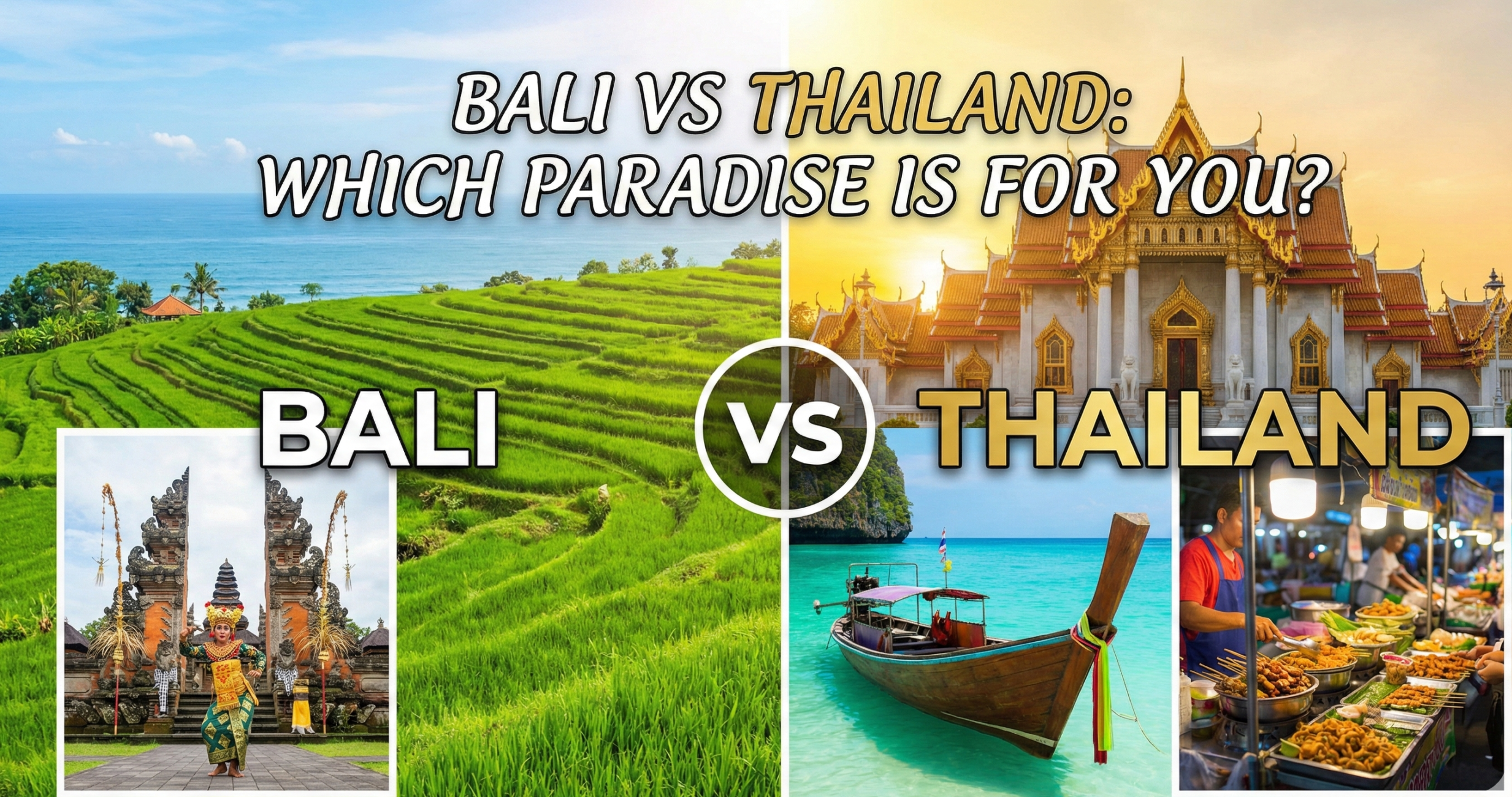
It is the classic traveler’s dilemma: Bali or Thailand?
You have saved the money, you have blocked off the dates, and you are ready for palm trees, spicy food, and tropical heat. But now you are stuck. On one hand, you have Thailand, the “Land of Smiles,” a massive country offering everything from chaotic Bangkok street markets to isolated limestone islands. On the other, you have Bali, the “Island of the Gods,” a condensed pocket of Hindu spirituality, surf culture, and aesthetically pleasing jungle villas.
While Instagram might make them look similar—blue water, green jungles, and coconuts—the reality on the ground is starkly different. Choosing the wrong one can lead to disappointment. If you are a surfer, Thailand might bore you. If you are a diver, Bali might underwhelm you. If you are looking for street food culture, one is the clear winner.
In this comprehensive comparison, we are dissecting every aspect: cost, culture, beaches, food, nightlife, and safety. Whether you are using our checklist on how to plan a trip in 7 simple steps or booking a spontaneous getaway, this guide will determine exactly where your passport should take you next.
At a Glance: The Core Differences
Before diving into the deep analysis, here is the high-level breakdown of how these two Southeast Asian titans stack up.
| Feature | Bali (Indonesia) | Thailand |
|---|---|---|
| Geography | One Island (Small, easy to traverse) | Whole Country (North, Central, South Islands) |
| Best For | Surfing, Digital Nomads, Cafe Culture, Spirituality | Beaches, Diving, Street Food, Temples, City Life |
| Beaches | Good (Volcanic sand, great surf, rugged) | World-Class (White sand, turquoise calm water) |
| Food Scene | Hipster Cafes & Warungs (Western fusion dominant) | Street Food Royalty (Spicy, local, cheap everywhere) |
| Religion | Balinese Hinduism (Unique temples, offerings) | Buddhism (Gold wats, monks, statues) |
| Transport | Scooters & Private Drivers (Traffic is bad) | Tuk-tuks, Skytrains (BKK), Ferries, Domestic Flights |
1. The Vibe: Spirituality vs. The Land of Smiles
The cultural heartbeat of these two destinations is distinct. Understanding this “feeling” is often the deciding factor for travelers.
Bali: The Artsy, Spiritual Enclave
Bali is a Hindu anomaly in Muslim-majority Indonesia. The air smells of incense from the Canang sari (daily offerings) placed on every sidewalk. There is a deep artistic vein running through the island, particularly in Ubud, where painting, woodcarving, and yoga dominate.
However, Bali also has a very modern, “Westernized” layer. Areas like Canggu and Seminyak feel like Los Angeles met the jungle. You will find smoothie bowls, CrossFit gyms, and co-working spaces everywhere. It is a haven for the modern digital nomad and the wellness seeker.
Thailand: The Diverse Kingdom
Thailand feels bigger and busier. Bangkok is a global metropolis with skyscrapers, rooftop bars, and ancient temples sitting side-by-side. The culture is Buddhist; you will see orange-robed monks and golden pagodas everywhere.
The “Thai Vibe” changes depending on where you are. The north (Chiang Mai) is laid back, mountainous, and cultural. The south (Phuket, Krabi) is about island hopping and beach parties. Thailand feels more like a “traveling adventure” where you move from city to jungle to island, whereas Bali feels more like “settling into a lifestyle.”
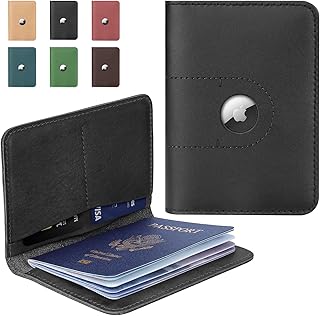
Keep Your Documents Safe
Whether you’re hopping islands in Thailand or riding scooters in Bali, keep your passport and visas secure with this RFID-blocking travel wallet.
Check Price on Amazon2. Beaches and Water: Surfing vs. Floating
This is where the distinction is sharpest. If your dream is clear, still, turquoise water, there is only one winner.
Thailand: The Postcard Paradise
Thailand wins the beach category, hands down. The islands in the Andaman Sea (Koh Phi Phi, Koh Lanta) and the Gulf (Koh Tao, Koh Samui) offer that quintessential “glassy water” experience. The sand is white and powdery. It is perfect for swimming, snorkeling, and diving.
If you are a diver, Thailand is superior. Sites like the Similan Islands or Koh Tao offer world-class visibility and marine life. If you’re packing for a beach trip, ensure you check our guide on 8 essential items to include in your carry-on bag so you don’t forget your reef-safe sunscreen.
Bali: The Surfer’s Playground
Bali’s beaches are rugged. Many are volcanic black sand, and the water is often churning with strong currents. This makes Bali a world-class surfing destination. From the legendary breaks of Uluwatu to the beginner waves of Kuta, surf culture defines the coastline.
While you can find white sand beaches in Bali (Nusa Dua, Uluwatu) or take a boat to the nearby Nusa Islands (Nusa Penida), the main beaches of Seminyak and Canggu are not the crystal-clear swimming pools you find in Thailand.

Essential for Island Hopping
Protect your electronics from salt water and sand. This waterproof dry bag is essential for boat trips in Thailand or beach days in Bali.
Check Price on Amazon3. The Culinary Battle: Pad Thai vs. Nasi Goreng
Both destinations are foodie heavens, but they cater to different palates.
Thailand: Street Food King
Thai food is famous for a reason. It is explosive, spicy, sour, and sweet. The best part? It is available on every street corner 24/7. You can get a Michelin-quality Pad Kra Pao or Som Tum (papaya salad) from a street cart for $1.50.
Eating in Thailand is an adventure. Night markets are a central part of the social life. If you love bold flavors and eating like a local, Thailand is unmatched.
Bali: The Cafe Capital of the World
Indonesian food (Nasi Goreng, Satay, Rendang) is delicious, but Bali’s food scene is currently defined by its international fusion. Bali creates the most beautiful food on earth. We are talking about avocado toast stacked with edible flowers, dragon fruit smoothie bowls, and vegan lasagna that tastes better than the real thing.
Bali is arguably the best place in the world for vegans, vegetarians, and health-conscious eaters. The cafe culture in Canggu and Ubud rivals Melbourne or Los Angeles, but at a third of the price.
4. Accommodation: Villas vs. Resorts
Where you sleep shapes your holiday. The architecture of hospitality differs greatly between the two locations.
Bali: The Private Villa Life
Bali is synonymous with the “Private Pool Villa.” For the price of a standard hotel room in Europe, you can rent a walled, private sanctuary with your own swimming pool, kitchen, and open-air living room. This makes Bali incredible for couples, families, and groups of friends.
This fits perfectly into the debate of Airbnb vs. Resort. In Bali, Airbnb wins. The value for money on private villas is insane, allowing you to live like royalty on a budget.
Thailand: Resorts and Hostels
Thailand excels at traditional beach resorts and hotels. From ultra-luxury chains like The Four Seasons to charming beach bungalows, the hospitality is top-tier. Thailand also has a more established backpacker hostel scene, making it easier for solo travelers to meet people.
While you can find villas in Thailand (especially on Samui or Phuket), they are generally more expensive than in Bali and less abundant.

Don’t Get Disconnected
Bali uses Type C/F plugs, while Thailand uses A, B, C, F, and O. A universal travel adapter is the only way to ensure you can charge everywhere.
Check Price on Amazon5. Cost and Budgeting
Both are considered “cheap” destinations compared to Europe or the US, but costs are rising. If you are looking for alternatives, check out the top 5 cheapest European cities, but generally, Southeast Asia offers better value for luxury.
The Breakdown
- Alcohol: Thailand is cheaper. You can buy beer at 7-Eleven for cheap. In Bali, tax on alcohol (especially imported wine and spirits) is high.
- Food: Street food in Thailand is cheaper ($1–$2). Western cafe food in Bali is $5–$10 per meal.
- Transport: Renting a scooter is cheap in both ($4–$6/day). Domestic flights in Thailand can add up if you move around a lot.
- Luxury: Bali offers cheaper “affordable luxury” (villas). Thailand offers cheaper “entry-level” travel (hostels/street food).
To maximize your spending power, ensure you are using the right financial tools. Review the best 5 travel rewards credit cards to earn points on your flights and hotel bookings.
6. Summary: Pros and Cons
✅ Bali Pros
- Villas: Incredible value for private pools.
- Weather: Generally less humid than Thailand.
- Size: You can see the whole island in 2 weeks.
- Health: Vegan/Health food paradise.
- Surf: World-class waves.
❌ Bali Cons
- Traffic: Congestion in the south is horrific.
- Beaches: Often dirty or unsafe for swimming.
- Trash: Waste management is a major issue.
- Taxi Mafia: Transport apps are banned in some areas.
✅ Thailand Pros
- Beaches: Postcard-perfect clear water.
- Food: The best street food culture on earth.
- Transport: Good public transit infrastructure.
- Diversity: Islands, mountains, and mega-cities.
- Diving: Far superior marine life viewing.
❌ Thailand Cons
- Size: Travel time between islands eats up days.
- Scams: Tuk-tuk and gem scams are common in Bangkok.
- Sex Tourism: Visible in areas like Pattaya/Patong.
- Humidity: Can be stiflingly hot.
7. Best Time to Visit: Complete Month-by-Month Weather Guide
Timing is everything in Southeast Asia. Both Bali and Thailand have distinct wet and dry seasons, and critically, their seasons are almost perfectly inverse to each other. This means there is always a good time to visit one of them—you just need to know which month belongs to which destination.
Bali Weather: Month by Month
Bali has two seasons: the dry season (April to October, the ideal window) and the wet season (November to March). The wet season brings daily tropical downpours, typically in the afternoon. The south of Bali (Seminyak, Canggu) is more sheltered than the east and north. Even in the wet season, mornings are often sunny and beautiful—and prices drop 20–40%, making it excellent value for budget travelers willing to tolerate afternoon rain.
| Month | Bali | Thailand (South) | Thailand (North/Bangkok) | Best Destination |
|---|---|---|---|---|
| January | Wet Season | Dry & Sunny | Dry & Cool | Thailand |
| February | Wet Season | Best Month | Excellent | Thailand |
| March | Shoulder | Dry Season | Dry Season | Thailand |
| April | Dry Season Begins | Getting Hot | Very Hot | Bali |
| May | Excellent | Wet Season Begins | Shoulder | Bali |
| June | Best Month | Wet Season | Rainy Season | Bali |
| July | Peak Season | Wet Season | Rainy | Bali |
| August | Peak Season | Wet Season | Rainy | Bali |
| September | Excellent | Shoulder | Shoulder | Bali |
| October | Shoulder | Transitioning | Shoulder | Either |
| November | Wet Season | Dry Season | Cooler & Dry | Thailand |
| December | Wet Season | Peak Season | Excellent | Thailand |
💡 Season Hack: If you want to visit both Bali and Thailand on the same trip, the best shoulder months to combine them are April (start in Thailand while it’s still dry, move to Bali as its dry season begins) or October (end of Bali’s dry season, start of Thailand’s). This gives you good weather at both ends with a natural flow to your itinerary.
Understanding the Gulf of Thailand vs. Andaman Coast Seasons
Thailand is large enough to have two separate coastal weather systems. The Andaman Coast (Phuket, Krabi, Koh Lanta, Koh Phi Phi) has its best weather from November to April and its worst from May to October. The Gulf of Thailand (Koh Samui, Koh Phangan, Koh Tao) has its best weather from February to September. This means that during the “shoulder months” of October and November, when the Andaman Coast is transitioning out of its wet season, the Gulf coast is still excellent. Smart travelers rotate between the two coasts to always find good weather.
8. Where to Stay: The Best Regions and Areas Explained
Choosing the right base significantly changes the quality of your trip. Both destinations have distinct regions that appeal to different traveler types. Knowing which area matches your travel style will save you from arriving in the wrong part of the island or country.
Best Areas in Bali
🌿 Ubud
The cultural and spiritual heart of Bali. Surrounded by rice terraces and jungle. Home to the best yoga studios, cooking classes, healers, and art galleries.
YogaCultureCouples🌊 Canggu
The digital nomad capital of Asia. Hip cafes, co-working spaces, beach clubs, and beginner surf. Busiest and trendiest area. Can feel overcrowded.
NomadsCafesSurf🌅 Seminyak
Sophisticated beach clubs, high-end restaurants, and boutique shopping. More polished than Canggu but less “local” than Ubud.
LuxuryNightlifeCouples🏄 Uluwatu
Cliff-top temples, legendary surf breaks, and dramatic ocean views. More peaceful than the north. White sand beaches tucked below towering cliffs.
SurfingSunsetsQuiet🤿 Nusa Islands
Three islands (Penida, Lembongan, Ceningan) accessible by fast boat. Penida has dramatic cliffs and Instagram-famous viewpoints. Better snorkeling than mainland Bali.
SnorkelingInstagramDay Trip🏨 Nusa Dua
Bali’s resort enclave. Manicured gardens, calm white-sand beaches, and five-star chains. Purpose-built for families and resort guests.
ResortsFamiliesSwimmingBest Areas in Thailand
🏙️ Bangkok
The gateway to Thailand. Street food on every corner, world-class temples (Wat Pho, Wat Arun), rooftop bars, and nightlife. Overwhelming but extraordinary.
TemplesFoodNightlife🐘 Chiang Mai
Northern Thailand’s cultural capital. Old city moat, night markets, ethical elephant sanctuaries, and mountain trekking. Cooler, calmer, and deeply cultural.
CultureElephantsTrekking🌊 Koh Phi Phi
The postcard island. Towering limestone cliffs, crystal water, and vibrant beach party scene. Can be crowded but stunningly beautiful.
PartySnorkelingViews🤿 Koh Tao
The world’s diving capital for beginners. Most affordable PADI certification courses on earth. Relaxed, dive-focused, excellent coral reefs.
DivingBudgetCertification🏖️ Krabi / Railay
Dramatic karst limestone scenery, accessible only by long-tail boat. World-class rock climbing. More serene than Phuket with stunning beach access.
Rock ClimbingSceneryQuiet🌴 Phuket
Thailand’s largest island and busiest resort destination. Full resort infrastructure, international airport, diving, and the infamous Patong Beach party strip.
ResortsDivingNightlife9. The Perfect Itineraries: One Week in Bali vs. One Week in Thailand
One week is the most common trip length for both destinations. Here are optimized 7-day itineraries for each, designed to minimize transit time and maximize experience variety.
One Perfect Week in Bali
- Arrive in Seminyak / CangguSettle in. Explore the beach club scene. Try sunset cocktails at La Plancha. Get your first scooter rental sorted. Eat your first smoothie bowl.
- Move to UbudVisit the Sacred Monkey Forest. Walk the Campuhan Ridge Trail. Take a Balinese cooking class. Watch a Kecak fire dance at Uluwatu on the way up. Book a traditional Balinese massage.
- Tegallalang Rice Terraces + Day Temple TourVisit Tirta Empul water temple for a purification ceremony. Sunrise at Pura Lempuyang (the Gates of Heaven). Hire a local driver for the day—this is faster and less stressful than scootering.
- Day Trip to Nusa PenidaFast boat from Sanur (45 min). Visit Kelingking Beach viewpoint (the T-Rex cliff), Crystal Bay for snorkeling with manta rays, and Angel’s Billabong. A full day trip.
- Uluwatu / Southern CliffsSpend your final day at Uluwatu temple at sunset. Watch surfers at Padang Padang Beach. Dinner in Jimbaran Bay (grilled seafood on the beach). Final shopping at Seminyak Square.
One Perfect Week in Thailand
- BangkokVisit Wat Pho (Reclining Buddha) and Wat Arun at sunset. Take a boat along the Chao Phraya River. Explore street food at Yaowarat (Chinatown) by night. Take the BTS Skytrain everywhere—traffic is unforgiving.
- Fly/Train to Chiang MaiArrive and explore the old city moat. Visit Wat Doi Suthep at sunset for panoramic views over the city. Eat at the Saturday Night Market on Wualai Road.
- Chiang Mai Day ActivitiesMorning: Ethical elephant sanctuary half-day (choose one that does not offer elephant rides). Afternoon: Thai cooking class—mandatory experience. Evening: Night Bazaar.
- Southern Islands (Koh Samui / Koh Tao)Fly south to Koh Samui (45 min). Ferry to Koh Tao for diving or snorkeling. If not a diver: Koh Phangan for the natural pools and serene beaches, or Koh Phi Phi for the scenery.
💡 Two-Week Combination: If you have two weeks and cannot choose, split your time: 5 nights in Thailand (Bangkok + Chiang Mai) → fly to Bali → 9 nights in Bali. Or reverse it. Direct flights between Bangkok and Bali operate multiple times daily on multiple carriers and cost as little as $60–$90 each way when booked in advance.
10. Detailed Daily Budget: What Things Actually Cost in 2025
The “Southeast Asia is cheap” narrative needs updating. Both destinations have seen significant price inflation since 2020, particularly in tourist-heavy areas. Here is an honest, category-by-category cost breakdown to help you budget accurately.
| Category | Bali (Budget) | Bali (Mid-Range) | Thailand (Budget) | Thailand (Mid-Range) |
|---|---|---|---|---|
| Accommodation | $15–30 (guesthouse) | $60–150 (private villa) | $8–20 (hostel/guesthouse) | $40–100 (hotel/resort) |
| Food (3 meals) | $10–15 (warungs) | $25–50 (cafes + restaurant) | $5–10 (street food) | $15–35 (mix) |
| Local Transport | $5–10 (scooter/Grab) | $15–30 (driver hire) | $3–8 (tuk-tuk/Grab) | $10–20 (taxis/tuk-tuk) |
| Activities | $10–20/day | $30–80/day | $10–25/day | $30–70/day |
| Alcohol (evening) | $10–20 | $25–50 | $5–12 | $15–40 |
| Estimated Daily Total | $40–75 | $140–300 | $30–65 | $110–265 |
Why Bali Can Be More Expensive Than You Think
Bali has a reputation for being cheap, but this reputation is increasingly outdated, especially in Canggu and Seminyak. Indonesia levies a significant alcohol tax, meaning a bottle of Bintang beer at a bar costs $3–$5 compared to $1–$2 for the same size Chang Beer in Thailand. Imported spirits are particularly expensive in Bali due to Indonesia’s religious-influenced alcohol regulations. A bottle of mid-range wine that costs $15 in Thailand will cost $25–$35 in Bali. For travelers whose holiday includes regular drinking, Thailand is markedly cheaper.
Hidden Costs to Budget For
- Bali Visa on Arrival: USD $35 per person, payable in cash on arrival at Ngurah Rai International Airport. Many travelers forget to carry the exact amount.
- Bali Tourist Levy: As of 2024, Bali charges a foreign tourist levy of IDR 150,000 (approximately $10 USD) payable online before arrival or at the airport.
- Temple Entry Fees in Bali: Most Balinese temples charge a small entry fee (IDR 30,000–100,000, approximately $2–$7). Some include sarong rental. Budget $5–$10 per day if doing a temple tour.
- Domestic Flights in Thailand: Moving between Bangkok, Chiang Mai, and the southern islands requires domestic flights. Budget $30–$80 per flight on AirAsia or Thai Smile. A 7-day Thailand itinerary covering north and south will include 2–3 domestic flight segments.
- Ferry Costs in Thailand: Island hopping between the Gulf islands involves ferry crossings costing $8–$20 per leg.
11. Visa Requirements: Complete 2025 Guide
Visa requirements are one of the most practically important factors in trip planning and one of the most frequently misunderstood. Both Thailand and Indonesia (Bali) have undergone recent changes to their visa policies. Here is the current status.
Thailand Visa Requirements
Thailand is one of the most visitor-friendly countries in Southeast Asia for visa purposes. Citizens of most Western countries (USA, UK, EU, Australia, Canada) receive a Visa Exemption (VISEX) on arrival, allowing a stay of 60 days as of 2024—recently extended from the previous 30-day limit. This exemption can typically be extended once at a local immigration office for an additional 30 days (total 90 days), though a fee applies.
- Eligible Countries: USA, UK, Australia, Canada, EU countries, Japan, South Korea, and approximately 50 others receive 60-day exemption.
- Long-Term Options: The Thailand LTR (Long-Term Resident) Visa allows eligible remote workers and retirees to stay for up to 10 years. The Digital Nomad visa (DESTINATION Thailand Visa, DTV) launched in 2024 allows remote workers a 180-day stay with the option to extend.
- What to Bring: Proof of onward travel (return or continuation flight), proof of sufficient funds ($10,000 or roughly $500 per day of intended stay), and your passport with at least 6 months validity.
Bali (Indonesia) Visa Requirements
As of 2024, most Western tourists visiting Bali need to obtain a Visa on Arrival (VoA) at Ngurah Rai International Airport. This has replaced the previous free entry for many nationalities.
- Visa on Arrival (VoA): Costs IDR 500,000 (approximately USD $35). Valid for 30 days, extendable once for another 30 days at an immigration office. Valid for tourists from approximately 90 countries including USA, UK, Australia, EU.
- Visa-Free: Citizens of ASEAN countries and a limited list of partner nations can enter Indonesia visa-free. Check Indonesia’s official immigration website for the current list.
- B211A Social/Cultural Visit Visa: This is the visa traditionally used by digital nomads staying in Bali for up to 60 days (extendable). It requires a sponsor (typically your accommodation or a visa agent) and has additional documentation requirements.
- Indonesia Digital Nomad Visa (E33G): Indonesia launched a dedicated Digital Nomad Visa in 2023, allowing remote workers with a minimum monthly income of $2,000 to stay for up to 5 years. This visa specifically exempts holders from Indonesian income tax on foreign-sourced earnings.
⚠️ Visa Warning: Both Thailand and Indonesia take overstaying your visa extremely seriously. Overstaying in Thailand incurs fines of 500 THB (approximately $14) per day of overstay, with a maximum fine of 20,000 THB. Overstaying in Indonesia incurs fines of IDR 1,000,000 (approximately $65) per day. In both countries, overstaying beyond a certain threshold can result in detention and a ban from future entry. Always check your visa stamp and respect the departure date.
12. Digital Nomad Comparison: Bali vs. Thailand for Remote Workers
Bali and Chiang Mai/Bangkok are among the top five most popular digital nomad destinations globally. Both offer a combination of low cost of living, good internet infrastructure, abundant co-working spaces, and large expat communities. But they serve different types of remote workers.
Bali: The World’s Digital Nomad Capital
Canggu, Bali, has arguably the highest density of digital nomads of any destination on earth. The area is practically built around remote work culture: co-working spaces are on every street, cafes compete on the quality of their Wi-Fi, and SIM cards with high-data plans are cheap and fast. The Balinese government’s introduction of the Digital Nomad Visa reflects how central this demographic has become to the local economy.
- Internet Speed: Average 25–50 Mbps in cafes and co-working spaces. Top co-working spaces (Dojo, Outpost, Kreativhaus) offer gigabit connections with backup fiber.
- Co-Working Costs: $5–$10/day for hot desks; $100–$200/month for dedicated desks at premium spaces.
- Time Zone: WITA (UTC+8). Works well for East Asian clients; challenging for US East Coast (13-hour difference).
- Community: Extremely large, active expat and nomad community with daily events, meetups, and networking sessions.
Thailand (Chiang Mai / Bangkok): The Established Nomad Hubs
Chiang Mai was the original digital nomad hub of Southeast Asia, long before Bali claimed the title. It remains a favorite for nomads who prioritize lower cost, a slower pace, and proximity to genuine local culture over Bali’s more curated aesthetic experience.
- Internet Speed: Bangkok and Chiang Mai average 50–100 Mbps. Thailand’s national internet infrastructure is more developed than Indonesia’s, resulting in more consistent speeds.
- Co-Working Costs: $3–$8/day in Chiang Mai; $8–$15/day in Bangkok. Lower than Bali’s premium co-working market.
- Time Zone: ICT (UTC+7). One hour behind Bali, equally challenging for US clients but slightly better for European morning calls.
- Cost of Living: Chiang Mai consistently ranks as one of the cheapest cities in the world for digital nomads. A comfortable monthly lifestyle (private room, 3 meals/day, co-working, social life) typically costs $800–$1,200/month.
Choose Bali If (Digital Nomads):
- You value community events and a buzzing social scene
- You work with East Asian clients (time zone alignment)
- You prioritize aesthetics in your workspace
- You want a purpose-built nomad infrastructure
- You are on a long-term visa (Digital Nomad Visa)
Choose Thailand If (Digital Nomads):
- You prioritize the absolute lowest cost of living
- You want faster, more reliable internet
- You want to combine work with cultural immersion
- You prefer a quieter, less “Instagram” environment
- You want easier visa logistics (60-day exemption)
13. Safety, Health, and Practical Considerations
Southeast Asia is generally safe for tourists, but both destinations have specific risks that travelers should understand and prepare for before departure.
General Safety Comparison
Both Bali and Thailand rank as relatively safe destinations for international tourists. The most common safety issues in both are traffic accidents (scooter crashes being the leading cause of tourist hospitalizations), petty theft (pickpocketing in crowded areas), and tourist-targeted scams rather than violent crime. Both countries have specific tourist police forces and dedicated tourist assistance hotlines.
Safety for Solo Female Travelers
Both destinations are considered reasonably safe for solo female travelers with appropriate precautions. Bali is often described as particularly female-friendly, partly due to the large proportion of female digital nomads and wellness tourists who have established a visible, empowered female traveler culture. The spiritual nature of the island also creates social norms of respect. Thailand, particularly Bangkok, Chiang Mai, and the more established resort islands, is similarly safe with standard precautions: avoid accepting drinks from strangers, use Grab (not unmarked taxis at night), and trust your instincts in crowded entertainment areas.
Common Scams to Avoid
🚨 Bali Scams
- Broken Scooter Scam: Rental companies claim you damaged a pre-damaged bike and demand payment. Always photograph every scratch before riding.
- Fake Money Exchange: Unlicensed money changers on the street use sleight of hand. Use authorized banks or ATMs only.
- Taxi Overcharging: Many areas ban Grab, forcing tourists into fixed-price (often inflated) taxi negotiations. Agree on a price before getting in.
- Touts at Temples: “The temple is closed” or “this road is blocked” scams redirect you to complicit shops or tour operators.
🚨 Thailand Scams
- Tuk-Tuk “Free” Tour: Drivers offer free city tours that end at gem shops or tailor shops where you face high-pressure sales tactics.
- Gem Scam: A classic Bangkok scam involving fake government sales of precious gems. Never buy gems from anyone who approaches you.
- Closed Attraction: “Wat Pho is closed today” followed by a redirect to a different, expensive tuk-tuk tour. Major temples are almost never randomly closed.
- Ping Pong Show Scam: Overpriced drinks charges and exit fees. Avoid entirely or research legitimate venues beforehand.
Health Precautions and Vaccinations
Visit a travel health clinic or your GP at least 6–8 weeks before departure to Southeast Asia to discuss vaccination requirements and recommendations. The following are the most commonly recommended:
- Required: Neither Bali nor Thailand requires any vaccination for entry from most countries. Exception: Yellow Fever vaccination certificate is required if arriving from a country with risk of Yellow Fever transmission.
- Strongly Recommended: Hepatitis A and B (standard for all Southeast Asian travel), Typhoid (food and water-borne), Tetanus/Diphtheria/Pertussis update, and Rabies (especially for Bali, where dog bites are the leading cause of Rabies exposure globally).
- Consider: Japanese Encephalitis (if spending extended time in rural areas), Cholera.
- Malaria: Malaria risk is low in the main tourist areas of both Bali and Thailand. Some rural northern Thai regions have low-level risk. Consult your physician based on your specific itinerary.
- Dengue Fever: Present in both destinations. No vaccine required but use DEET-containing mosquito repellent, especially during daylight hours (when dengue mosquitoes are most active).
Travel Insurance: Non-Negotiable for Southeast Asia
Medical evacuation costs from Southeast Asia to the USA, UK, or Australia can exceed $80,000–$150,000 without insurance. A serious scooter accident requiring helicopter evacuation and surgery is not uncommon. Quality travel insurance covering medical evacuation, trip cancellation, and personal liability is an absolute necessity for both destinations, not a luxury. Ensure your policy explicitly covers scooter/motorbike riding—many standard policies exclude this. Look for policies that include at least $500,000 in medical coverage and $1,000,000 in evacuation coverage.
14. Temple Etiquette, Cultural Sensitivity, and Dress Codes
Both Bali and Thailand are deeply religious cultures that welcome tourists warmly but expect a baseline of cultural respect—particularly at sacred sites. Understanding and following these norms is not just polite; in some cases, violations can result in fines, expulsion from the temple, or in extreme cases (particularly involving Thai royal family or temple imagery) legal consequences.
Bali Temple Etiquette
- Dress Code: Shoulders and knees must be covered when entering any temple. Most temples provide a sarong (kain) for rent or as a gift. The minimum is a sarong tied around your waist—a bare upper body will result in denial of entry.
- Menstruating Women: Traditional Balinese Hinduism considers menstruation ritually impure. Women who are menstruating are asked (and in some temples, required) not to enter temple inner sanctuaries. Signage is posted at most temple entrances.
- The Daily Offerings (Canang Sari): Do not step on the small floral and incense offerings placed on the ground throughout Bali. They are sacred and placed multiple times daily by Balinese women as part of Hindu devotion. Stepping over them (rather than on them) is acceptable.
- Photography: Photography is generally permitted at most temple exteriors. Some inner sanctuaries request no photography. Follow signs and temple staff guidance.
Thailand Temple Etiquette
- Dress Code: Same principle as Bali—shoulders and knees must be covered at all wats (temples). Many temples provide wraps at the entrance. Remove shoes before entering any temple building.
- Buddha Imagery: Never pose for photos that imply disrespect to Buddha images—standing over them, making irreverent gestures near them, or touching sacred Buddha statues. This is illegal under Thai law and has resulted in tourist deportations.
- Monk Interactions: Women may not physically touch monks or hand objects directly to them. If a female traveler wishes to give something to a monk, she should place it on a flat surface for the monk to pick up, or hand it to a male companion who then gives it directly.
- Royal Family: Thailand’s lèse-majesté laws are among the most strictly enforced in the world. Any public criticism of or disrespect toward the Thai royal family is a serious criminal offense carrying imprisonment. This includes social media posts made while in Thailand.
15. Nightlife: Sunset Clubs vs. Full Moon Parties
Both destinations have thriving nightlife scenes, but they operate at entirely different scales and with different vibes. Matching your nightlife expectations to the right destination will significantly affect your enjoyment.
Bali Nightlife
Bali’s nightlife is concentrated in the south: Seminyak, Kuta, and Canggu. The typical Bali night starts late (people head out after 10 PM) and centers on beach clubs, live music venues, and rooftop bars rather than traditional nightclubs. Iconic venues include Potato Head and Ku De Ta in Seminyak, La Favela for its jungle-bar aesthetic, and Finns Beach Club in Canggu for its epic sunset sessions. The music tends toward house, techno, and deep house, with world-class DJs rotating through regularly. Bali is less about cheap shots and loud clubs and more about beautiful people, beautiful settings, and premium cocktails at premium prices.
Thailand Nightlife
Thailand’s nightlife is more diverse and more extreme. Bangkok’s RCA (Royal City Avenue) club strip rivals Ibiza for production quality. Khao San Road is the legendary backpacker strip where $1 buckets and Pad Thai at 3 AM are standard. The Full Moon Party on Koh Phangan—occurring monthly on the beach during the full moon—is one of the world’s most famous parties, drawing 20,000–30,000 people to the beach for an all-night event. Thai nightlife is louder, cheaper, longer, and more raucous than Bali’s. For hard-core party travelers, Thailand wins decisively.
💡 Nightlife Budget Tip: Buy alcohol at 7-Eleven or FamilyMart in Thailand before heading out. A large Chang beer costs approximately $1 from a convenience store versus $4–$8 at a bar. Pre-loading with convenience store drinks before hitting Bangkok’s nightlife can dramatically reduce your nightlife spending.
16. SIM Cards, Internet, and Staying Connected
Staying connected in both destinations is easy and affordable. Both countries have competitive mobile networks with good 4G coverage in tourist areas and expanding 5G in major cities.
Bali (Indonesia) SIM Card Options
Purchase a SIM card at Ngurah Rai Airport immediately after customs—booths from Telkomsel, XL Axiata, and Indosat are prominently displayed. You will need to show your passport. A tourist SIM with 30GB of data for 30 days typically costs IDR 100,000–150,000 (approximately $7–$10). Telkomsel has the best rural coverage; XL has the best data-to-price ratio in tourist areas. Average 4G speeds in Canggu and Seminyak: 15–30 Mbps. Coverage in mountainous Ubud: adequate for standard use.
Thailand SIM Card Options
Thailand’s three main carriers are AIS, DTAC (now merged with True Move H), and True Move H. Tourist SIM cards are available at the airport, 7-Eleven stores, and brand stores throughout the country. A 15-day unlimited data tourist SIM from AIS (the most popular choice for tourists) costs approximately 299 THB ($8.50). AIS has the broadest national coverage including good signal on most islands. Average 4G speeds: 30–60 Mbps in Bangkok. Island coverage varies: Phuket and Samui have excellent coverage; smaller islands may rely on 3G.
17. Final Verdict: Which is Better for You?
The choice isn’t about which destination is “better,” but which lifestyle you want to adopt for your holiday.
Choose Bali If:
- You are a Couple or Family: Renting a private villa allows for quality time, privacy, and space that hotels can’t match.
- You want to Surf or do Yoga: The wellness and surf infrastructure is superior.
- You have limited time (1 week): Since it’s just one island, you spend less time in transit.
- You love “Aesthetic” Travel: If you want beautiful cafes and jungle clubs for your feed, Bali is the spot.
- You are a Digital Nomad: The infrastructure, visa options, and community are built for long-term remote workers.
- You prioritize wellness: Yoga retreats, healing ceremonies, vegan food, and holistic therapies are Bali’s hallmarks.
Choose Thailand If:
- You want Classic Tropical Beaches: If your goal is to float in clear water with a beer, go to the Thai islands.
- You are a Foodie: The street food culture is an experience in itself.
- You are a Backpacker: The “Banana Pancake Trail” is legendary for meeting people and cheap travel.
- You want Adventure: Trekking in Chiang Mai, diving in Koh Tao, and partying in Bangkok offers more variety.
- You are traveling solo: The hostel scene, ease of meeting people, and transport infrastructure favor solo travelers.
- You want to learn to dive: Koh Tao is the most affordable PADI certification destination on earth.
Complete Pre-Trip Checklist
- Confirm visa requirements for your nationality (Bali VoA $35 / Thailand 60-day exemption)
- Book travel insurance covering medical evacuation and scooter riding
- Get recommended vaccinations 6–8 weeks before travel
- Download Grab app for taxis in both destinations
- Research current weather season for your travel dates
- Carry USD $35 cash specifically for Bali Visa on Arrival
- Pack a sarong (usable as temple cover, beach towel, and sheet)
- Get an International Driving Permit if you plan to ride scooters
- Download offline Google Maps for your destination before arriving
- Notify your bank of international travel to avoid card blocks
Whichever you choose, planning is key. Use our ultimate packing list (adaptable for Asia by removing the heavy coats!) to ensure you are ready.

Plan the Perfect Route
Still can’t decide? Why not both? The Lonely Planet guide to Southeast Asia covers both destinations in incredible detail.
Check Price on AmazonFrequently Asked Questions
They are very comparable overall. Thailand has cheaper food (street food at $1–$2/meal vs $5–$10 in Bali cafes) and significantly cheaper alcohol. Bali has cheaper high-end accommodation (private pool villas for $60–$150/night vs $150–$300+ in Thailand). A budget backpacker will typically spend 10–15% less per day in Thailand than Bali. A couple renting a villa will typically spend less in Bali.
Bali: Dry season is April to October (peak: June–August). Wet season November to March. Thailand: Dry season in the south is November to April; in Chiang Mai, November to February is ideal. Critically, their seasons are inverse—when Bali is wet (Nov–March), Thailand’s south is at its peak. Plan accordingly.
It is risky in both places if you are inexperienced. Traffic in Bali is chaotic and unpredictable. Thailand has some of the highest road accident rates in the world. Always wear a helmet, carry an International Driving Permit, and ensure your travel insurance explicitly covers motorbike riding. Many policies exclude it by default.
No. Do not drink tap water in either Bali or Thailand. Stick to bottled or filtered water. In Bali, even showering with your mouth open can occasionally cause “Bali Belly.” Be particularly careful with ice at street food stalls in Thailand—tourist-focused restaurants typically use filtered ice, but it is worth confirming.
Bali typically wins for honeymoons due to the privacy and romance of private pool villas, the spiritual atmosphere of Ubud, and the world-class couples’ spa treatments. Prices for luxury in Bali are significantly lower than equivalent Thai resort options. However, for couples who prioritize beaches over atmosphere, a Thailand resort on Koh Samui or Koh Lanta is equally stunning.
Most Western nationalities (USA, UK, EU, Australia) receive a 60-day Visa Exemption for Thailand—no cost, issued on arrival. For Bali (Indonesia), most Western travelers pay for a Visa on Arrival (VOA) costing approximately USD $35 for 30 days, extendable for another 30 days. Additionally, Bali now charges a foreign tourist levy of approximately $10 USD.
Thailand is generally more first-timer-friendly. The transport infrastructure is more developed (trains, domestic flights, organized ferries), English is spoken more widely, and the tourist trail is very well-established with clear information at every step. Bali is also very accessible but requires more independent navigation, particularly for transport outside of tourist hubs.
Yes, and many travelers do. Direct flights between Bali (DPS) and Bangkok (BKK/DMK) take approximately 5–6 hours and cost $60–$120 on budget carriers. For a 2-week trip, a popular combination is 5–6 nights in Thailand (Bangkok + one island) and 8–9 nights in Bali. April and October are the best shoulder months to combine both with decent weather at each end.
Both work well for families, but for different reasons. Bali’s private pool villas are exceptional for families—children love having their own pool, and the villa format provides the space and privacy of a house at hotel prices. Thailand’s resort infrastructure (particularly in Phuket, Hua Hin, and Koh Samui) is excellent for families who prefer organized resort amenities, kids’ clubs, and calm swimming beaches. Avoid taking very young children to Bangkok for extended periods due to pollution and traffic chaos.
Thailand is widely considered the most LGBTQ+-friendly country in Southeast Asia. Bangkok’s Silom area has a vibrant LGBTQ+ community, Pattaya has a significant gay bar scene, and Thai culture generally has a tolerant and inclusive attitude toward gender diversity. Same-sex marriage has been approved in Thailand (effective 2025). Bali is tolerant and welcoming to LGBTQ+ tourists—particularly in Seminyak, which has an established gay-friendly bar and club scene—though Indonesia’s national conservative legal environment creates an undercurrent of caution. Public displays of affection (same-sex or otherwise) should be measured in both countries when outside of known LGBTQ+ venues.
Conclusion
In the battle of Bali vs. Thailand, there are no losers—only different types of winners. Thailand offers the thrill of discovery, the sensory overload of Bangkok, and beaches that look like screen savers. Bali offers a seductive lifestyle, a blend of spirituality and hedonism, and a level of affordable luxury that is hard to find anywhere else on earth.
Look at your calendar. Look at the weather seasons. And then ask yourself: Do I want to explore a kingdom, or do I want to lose myself on an island? The best travelers know that neither choice is permanent—and that both destinations have a way of calling you back for another visit the moment you leave.
Book the ticket, pack your bag, and go.