

Banish the Fog: What is the Best Vitamin for Brain Fog? (Top 5 Ranked)
It starts subtly. You walk into a room and forget why you are there. You read the same email three times and still don’t process the meaning. You feel “fuzzy,” lethargic, and detached, as if your head is wrapped in cotton wool. This is brain fog, and while it isn’t a standalone medical diagnosis, it is a debilitating symptom of modern life that affects millions of people across every age group and background.
Brain fog is essentially your body’s “check engine” light. It signals that something in your biological system is misfiring. This could be due to chronic inflammation, unmanaged stress, poor sleep hygiene, hormonal imbalances, or—very commonly—nutritional deficiencies. In our fast-paced world, we often rely on processed foods and caffeine to survive the day, leaving our brains starved of the essential micronutrients required for optimal cognitive function.
When your brain lacks specific vitamins, the synthesis of neurotransmitters like serotonin (mood), dopamine (motivation), and acetylcholine (memory) slows down. Furthermore, the mitochondria—the power plants of your brain cells—struggle to produce ATP energy. The result? A brain that feels slow, tired, and unresponsive. While no single pill can replace a healthy lifestyle, specific vitamins and minerals play a critical role in cutting through the haze.
In this comprehensive guide, we strip away the marketing hype to identify the scientifically backed supplements that address the root causes of cognitive fatigue. We will explore how B-vitamins fuel energy cycles, how Vitamin D modulates the brain’s immune response, how Omega-3s rebuild cell membranes, and how specific minerals can calm the nervous system to restore mental clarity.
The Root Causes of Brain Fog: What’s Really Happening?
Before reaching for supplements, it’s worth understanding what is actually causing your cognitive haze. Brain fog is a symptom, not a disease—which means it has multiple possible root causes, and the best supplement for your brain fog depends on identifying the most likely underlying driver. Here are the most common culprits.
Neuroinflammation
Chronic low-grade inflammation in the brain impairs neurotransmitter signaling and reduces cerebral blood flow. Often triggered by poor diet, gut dysbiosis, or chronic stress.
Nutritional Deficiency
Deficiencies in B12, Vitamin D, Iron, Omega-3, and Magnesium are among the most common and reversible causes of cognitive slowdown and poor concentration.
Sleep Disruption
Even one night of poor sleep measurably impairs working memory, processing speed, and emotional regulation. Chronic sleep debt creates persistent cognitive fatigue.
Hormonal Imbalance
Thyroid dysfunction, cortisol dysregulation, estrogen fluctuation (in perimenopause), and insulin resistance all have direct effects on cognitive clarity.
Gut Microbiome Issues
The gut-brain axis means that dysbiosis (bacterial imbalance) in the gut directly affects mood, cognition, and inflammation levels in the brain via the vagus nerve.
Chronic Stress
Sustained high cortisol shrinks the hippocampus, disrupts neurotransmitter balance, and impairs the prefrontal cortex’s ability to focus, plan, and recall information.
The Overlap Principle
Most people experiencing brain fog have multiple causes operating simultaneously. The good news: the supplements in this guide address several root causes at once—nutritional deficiency, neuroinflammation, neurotransmitter depletion, and stress-related cortisol dysregulation all respond to the right targeted interventions.
The Neuroscience of Cognitive Fog: What’s Going Wrong in Your Brain
To understand why specific vitamins and supplements clear brain fog, it helps to understand the core biological mechanisms that produce it in the first place. Brain fog isn’t an imaginary complaint or simply “being tired”—it has measurable neurobiological correlates that researchers can now detect and study.
Mitochondrial Dysfunction and Energy Deficit
The brain requires an extraordinary and continuous supply of ATP (adenosine triphosphate)—the universal energy currency of cells. Unlike muscle cells, which can temporarily operate anaerobically (without oxygen), neurons are entirely dependent on mitochondrial oxidative phosphorylation. When mitochondrial function is impaired—due to B-vitamin deficiency, oxidative stress, or insulin resistance—neurons cannot produce sufficient ATP. The result is a generalized slowing of all brain processes: slower thought, slower recall, slower reaction time. This is the metabolic underpinning of the “brain fog” experience.
Glymphatic Dysfunction: The Brain’s Waste System
During deep sleep, the brain’s glymphatic system activates a biological cleaning process: cerebrospinal fluid floods through brain tissue, flushing out toxic metabolic waste products that accumulate during waking hours. These include beta-amyloid proteins, tau tangles, and inflammatory cytokines. When sleep is chronically disrupted—or when the glymphatic system is impaired by alcohol, poor hydration, or inflammation—these toxins accumulate in brain tissue, directly producing the “cloudy” feeling associated with fog. This is why brain fog is almost universal after a bad night of sleep.
Neurotransmitter Depletion
Cognitive fog often reflects a specific depletion or imbalance in key neurotransmitters. Dopamine depletion causes lack of motivation, difficulty initiating tasks, and poor executive function. Acetylcholine depletion (particularly common with B5 deficiency or in high-stress periods) impairs working memory and the ability to form new memories. Serotonin imbalance causes the mood component of brain fog—the flat, disengaged, “gray” feeling. GABA deficiency produces the anxious, wired-but-tired state where thoughts race but nothing productive happens. Each supplement in this guide specifically targets one or more of these neurotransmitter pathways.
The Blood-Brain Barrier and Nutrient Access
Not all nutrients can easily access the brain. The blood-brain barrier (BBB) is a highly selective membrane that protects the brain from pathogens and toxins—but also restricts which molecules can pass through. Fat-soluble vitamins (D, K, A, E) and fatty acids (DHA, EPA) cross relatively easily. Water-soluble vitamins (B-complex) rely on specific transporter proteins. Neuroinflammation and chronic stress actually impair BBB integrity over time, potentially reducing the brain’s ability to receive the very nutrients it needs. This is why combining anti-inflammatory supplements (Omega-3, Vitamin D) with energy-supporting supplements (B-Complex, Magnesium) produces synergistic benefits greater than any single compound alone.
The Core Framework
Every supplement in this guide targets one of four root mechanisms: Mitochondrial Energy (powering the engine), Anti-Inflammation (clearing the blockage), Neurotransmitter Support (restoring the signals), or Neuroprotection (rebuilding the structure). Understanding which mechanism is your primary bottleneck helps you prioritize your protocol.
1. Vitamin B-Complex (Specifically B12 & B6)
If the brain is a high-performance engine, B-vitamins are the spark plugs. The “B-Complex” refers to a family of eight vitamins that work synergistically to convert food into energy (glucose) that your brain uses for fuel. Among these, Vitamin B12 (Cobalamin), B9 (Folate), and B6 (Pyridoxine) are the heavy hitters for cognitive health.
The Homocysteine Connection
One of the most critical roles of B-vitamins is the regulation of homocysteine, an amino acid produced by the body. High levels of homocysteine are toxic to neurons and are strongly linked to brain atrophy, cognitive decline, and severe brain fog. B12, B6, and Folate work together to break down homocysteine into harmless compounds. If you are deficient in any one of these, homocysteine levels rise, inflammation increases, blood flow to the brain decreases, and your thinking becomes cloudy and sluggish.
The Absorption Problem
Deficiency is surprisingly common, even in developed countries. Vitamin B12 is particularly tricky because its absorption depends on “Intrinsic Factor,” a protein produced in the stomach. As we age, or if we have gut issues (like IBS, H. pylori infection, or acid reflux requiring proton pump inhibitors), our production of Intrinsic Factor drops, making it difficult to absorb B12 from food. Furthermore, B12 is found almost exclusively in animal products, putting vegetarians and vegans at very high risk of deficiency-induced brain fog.
Acetylcholine: The Memory Neurotransmitter
Vitamin B5 (Pantothenic Acid), a component of the B-Complex, is the direct precursor to acetylcholine—the primary neurotransmitter of the parasympathetic nervous system and the most important chemical for memory formation and learning. When B5 is depleted through stress (the adrenal glands consume vast amounts during the cortisol response), acetylcholine synthesis drops, and the ability to form new memories and maintain focus deteriorates rapidly. This explains why many people experience brain fog most severely during or after periods of prolonged stress.
Why You Need a “Complex” Rather Than Just B12
While you might be tempted to just take B12, nature rarely works in isolation. Taking high doses of one B vitamin can sometimes mask deficiencies in others and create imbalances. B6 deficiency, for example, impairs the synthesis of serotonin and GABA, contributing to both mood-related fog and anxiety. B1 (Thiamine) deficiency—common in people who drink alcohol or consume high-carbohydrate diets—directly impairs glucose metabolism in the brain, causing severe cognitive fatigue. A balanced B-Complex ensures all energy and neurotransmitter pathways are simultaneously supported.
Why “Methylated” Matters
About 30-40% of the population has a gene mutation (MTHFR) that makes it difficult to process cheap, synthetic B-vitamins like Folic Acid or Cyanocobalamin. If you have this mutation, synthetic vitamins can actually build up in your system. Always look for “Methylated” folate (5-MTHF) and Methylcobalamin B12. These are “active” forms your body can use immediately without complex liver conversion processes.
✓ Pros
- Addresses most common reversible cause of fog
- Noticeable energy improvement within days
- Lowers toxic homocysteine levels
- Supports all major neurotransmitter pathways
- Very safe for daily long-term use
✗ Cons
- Cheap synthetic forms largely ineffective
- MTHFR mutation reduces standard supplement benefit
- B vitamins can cause bright yellow urine (harmless but alarming)
- High B6 doses long-term can cause nerve issues
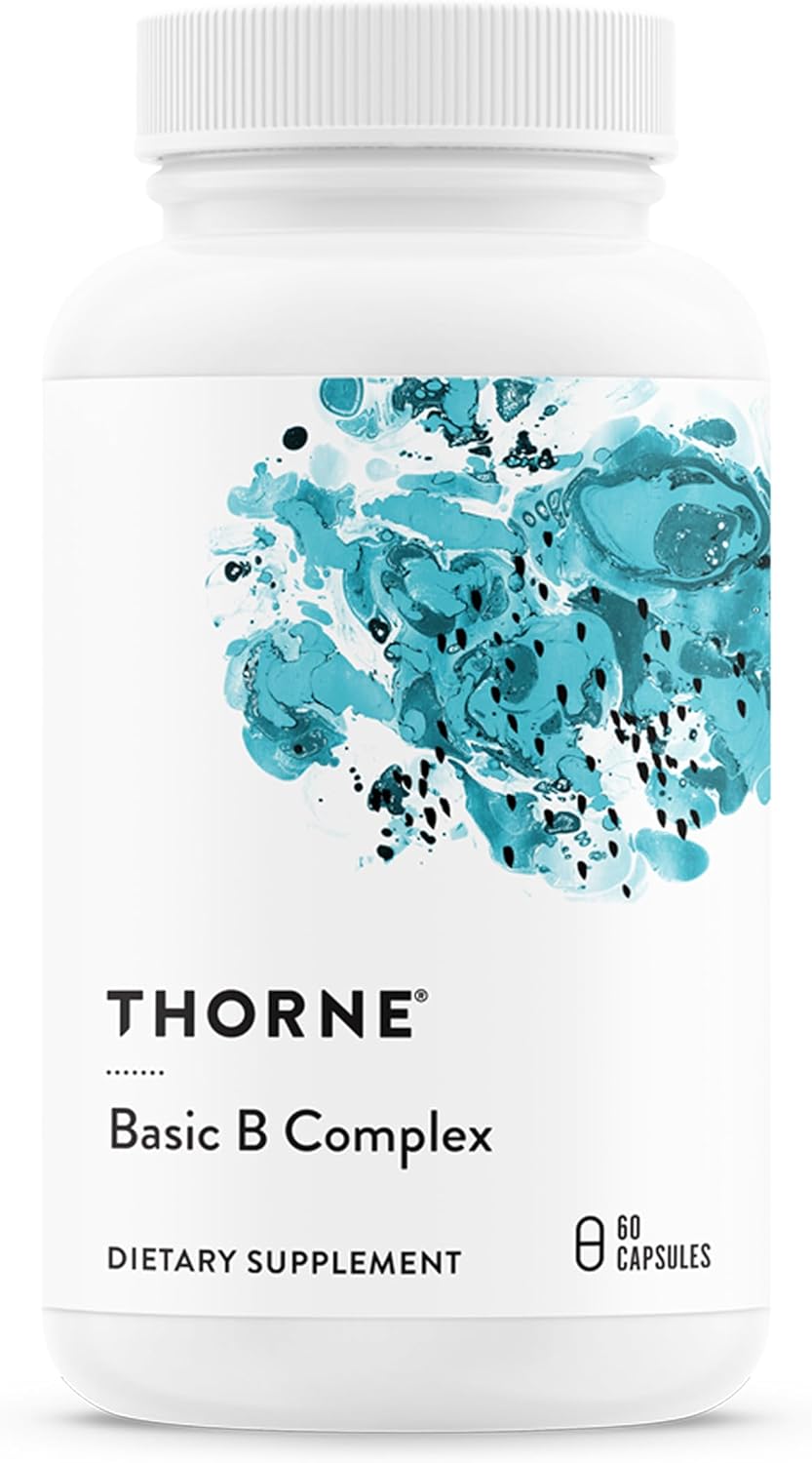
Thorne Basic B Complex
The gold standard in bioavailability. Contains active, methylated forms of B12 and Folate ensuring your body can actually use them regardless of your genetics. NSF Certified for Sport, ensuring purity.
Check Price on Amazon2. Vitamin D3 (The Sunshine Vitamin)
Vitamin D is unique because it acts more like a hormone than a traditional vitamin. Receptors for Vitamin D are found throughout the brain, particularly in the hippocampus (memory), prefrontal cortex (focus and decision-making), and amygdala (emotional regulation). Low levels of Vitamin D are epidemic in modern society and are strongly correlated with cognitive impairment, depression, fatigue, and the sluggish thinking patterns we call brain fog.
The Immunity-Brain Link: Neuroinflammation
Why does Vitamin D help? One major pathway is immune regulation. Brain fog is frequently a symptom of neuroinflammation—essentially, your brain is in a low-grade inflammatory state. Vitamin D is a potent immune modulator. It suppresses the production of pro-inflammatory cytokines (particularly IL-6 and TNF-alpha) and upregulates anti-inflammatory pathways. If you constantly feel “under the weather” mentally, a lack of Vitamin D may be keeping your brain in a state of chronic immune stress that impairs neurotransmitter function and synaptic communication.
Vitamin D and Serotonin Synthesis
A critical and often overlooked mechanism of Vitamin D’s cognitive effect is its role in regulating the enzyme tryptophan hydroxylase, which controls the conversion of tryptophan to serotonin. In the brain, adequate Vitamin D levels literally upregulate serotonin production. Low serotonin directly produces the emotional flatness, low motivation, and “foggy detachment” that characterizes winter-onset brain fog or Seasonal Affective Disorder (SAD). This is not a coincidence—the seasonal drop in sun exposure causes both Vitamin D deficiency and reduced serotonin synthesis simultaneously.
The Seasonal Shift
Have you noticed your brain fog gets worse in the winter? This is often due to the drop in sunlight. Our bodies are designed to generate Vitamin D from UVB exposure to the skin, but modern office jobs, sunscreen use, and northern latitudes make this nearly impossible for large parts of the year. Supplementing with D3 (Cholecalciferol) mimics the form of the vitamin we get from the sun—it is far more bioavailable than D2 (Ergocalciferol), the form used in some cheaper supplements and fortified foods.
Optimal Dosing: The Deficiency Gap
A common mistake is under-dosing Vitamin D. The recommended dietary allowance (RDA) of 600-800 IU was set to prevent rickets, not optimize cognitive function. Research investigating cognitive benefits and immune modulation consistently uses doses between 2,000 and 5,000 IU daily. The only way to know your true status is a blood test (25-hydroxyvitamin D). Optimal levels for cognitive performance are widely considered to be 50-80 ng/mL—significantly higher than the “normal” range of 20 ng/mL that many labs report.
The Crucial Co-Factor: Vitamin K2
When you take Vitamin D, it increases calcium absorption in your body. Without Vitamin K2 (specifically MK-7 form), that calcium can be deposited in arterial walls and soft tissues rather than in bones. This arterial calcification reduces cerebral blood flow, worsening brain fog. K2 acts as a traffic director, routing calcium to the right destinations. Many high-quality D3 supplements now combine D3 and K2 for this reason—it is safer and more effective for long-term cardiovascular and cerebrovascular health.
Get Tested First
Vitamin D is fat-soluble and accumulates in tissue. While toxicity requires very high doses over extended periods, it is wise to test your baseline 25-OH Vitamin D level before high-dose supplementation. A simple blood test can guide your appropriate dose.
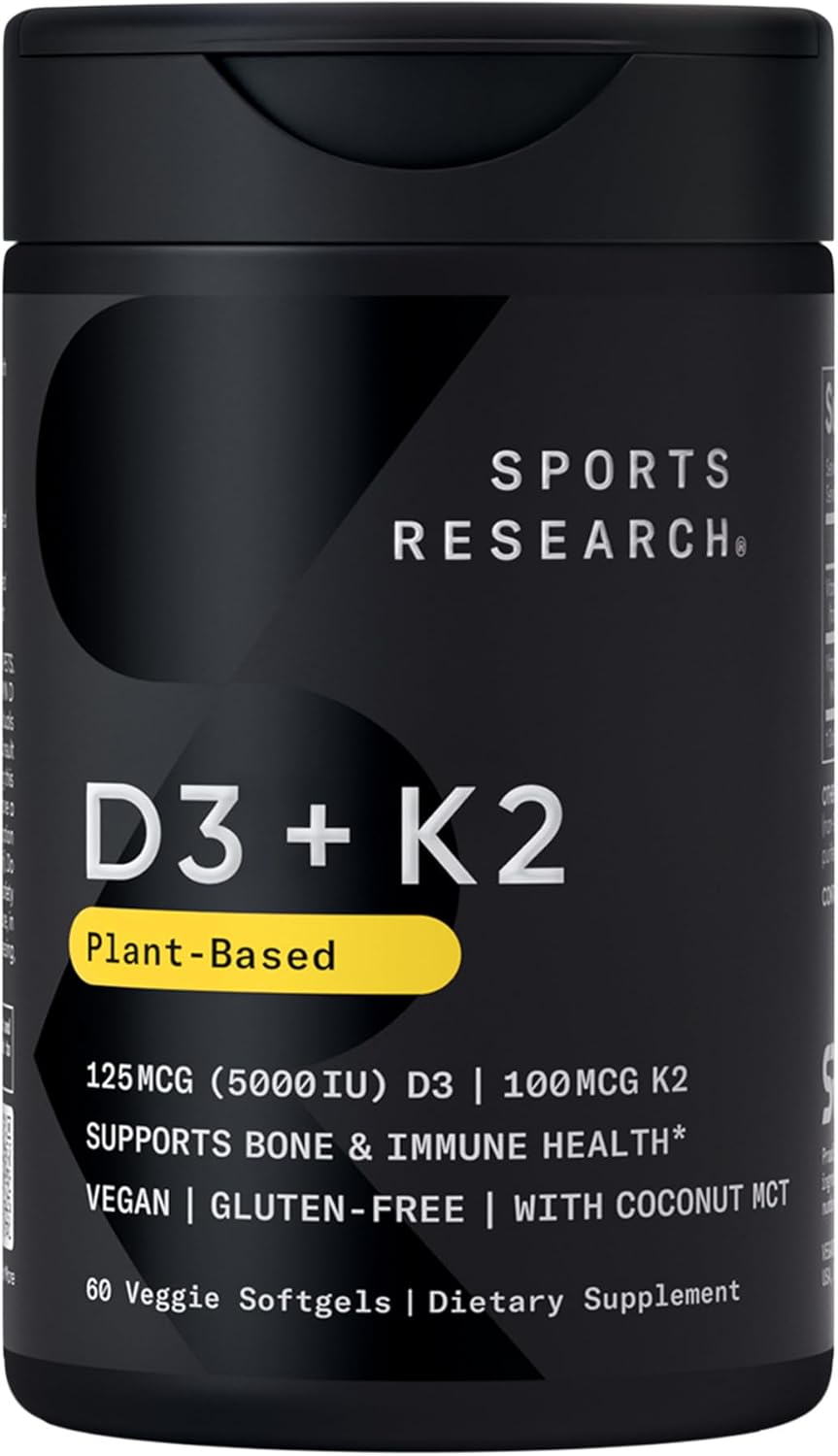
Sports Research Vitamin D3 + K2
Combines 5000 IU of D3 with 100mcg of K2 (MK-7) in a coconut oil base for superior absorption. One softgel a day to banish the seasonal mental haze and support long-term cardiovascular and cognitive health.
Check Price on Amazon3. Omega-3 Fatty Acids (DHA & EPA)
Your brain is the fattiest organ in your body, consisting of approximately 60% fat. This isn’t just storage fat; it is structural fat that forms the cell membranes of your neurons. To repair brain cells and facilitate rapid communication between them, you need high-quality raw materials. Omega-3 fatty acids—specifically DHA (docosahexaenoic acid) and EPA (eicosapentaenoic acid)—are these essential materials.
Cell Membrane Fluidity and Receptor Function
Imagine a brain cell as a house with doors (receptors) that let messengers (neurotransmitters) in. If the walls of the house are rigid and stiff from saturated fats and processed oils, the doors stick, and the messengers can’t get through efficiently. This is what happens when your diet is high in omega-6 vegetable oils (sunflower, corn, soybean) and low in omega-3s. DHA makes neuronal cell membranes fluid and flexible. This allows dopamine, serotonin, and acetylcholine to bind easily to their receptors, speeding up signal processing and directly clearing cognitive fog.
EPA: The Mood and Anti-Inflammation Omega-3
While DHA provides structural support, EPA is the anti-inflammatory powerhouse. Chronic neuroinflammation—one of the primary drivers of brain fog, anxiety, and depression—is directly countered by EPA’s ability to inhibit inflammatory enzymes (COX-2) and reduce the production of pro-inflammatory cytokines. Multiple meta-analyses have found that EPA supplementation at doses above 1g/day significantly reduces depressive symptoms, many of which overlap with brain fog: fatigue, poor concentration, slowed thinking, and emotional flatness.
BDNF: Growing New Brain Connections
Brain-Derived Neurotrophic Factor (BDNF) is a protein that promotes the growth and maintenance of neurons and synapses—essentially fertilizer for your brain. Low BDNF is strongly associated with depression, cognitive decline, and brain fog. Omega-3 supplementation, particularly DHA, has been shown in multiple studies to significantly increase BDNF levels and protect against the BDNF reduction caused by stress and sleep deprivation. Higher BDNF means a more adaptable, sharper brain with greater capacity to form new memories and learn new information.
The Omega-6 to Omega-3 Ratio Problem
The ancestral human diet maintained an omega-6 to omega-3 ratio of approximately 4:1. The modern Western diet has pushed this ratio to 20:1 or higher, due to the massive increase in processed vegetable oil consumption and the reduction in fish and pasture-raised animal products. This imbalance promotes chronic systemic inflammation and directly undermines brain health. Correcting this ratio through Omega-3 supplementation is one of the highest-impact nutritional interventions for brain fog.
Quality Matters Enormously
Not all fish oil is created equal. Cheap fish oils are often oxidized (rancid) before they even reach the shelf, which can actually increase oxidative stress and inflammation rather than reducing it. Look for: (1) Triglyceride form (absorbed up to 70% better than ethyl ester), (2) third-party tested for heavy metals and oxidation (TOTOX value below 10), (3) enteric coating only if needed for reflux, never to hide rancidity, and (4) at minimum 500mg EPA + 250mg DHA per serving for therapeutic effect.

Nordic Naturals Ultimate Omega
The industry leader for purity. No fishy burps, fresh lemon flavor, and high concentrations of EPA and DHA in the superior Triglyceride form. Wild-caught and third-party tested for heavy metals.
Check Price on Amazon4. Magnesium L-Threonate
Magnesium is involved in over 600 enzymatic reactions in the body, including energy production, DNA synthesis, and nervous system regulation. It is the fourth most abundant mineral in the human body and yet is chronically deficient in over 50% of the Western population due to soil depletion, refined food consumption, and the high magnesium expenditure of chronic stress. However, standard magnesium supplements (like oxide or citrate) are poorly absorbed by the brain. They work well for muscles and digestion, but they struggle to cross the blood-brain barrier. Enter Magnesium L-Threonate.
The Only Magnesium Designed for the Brain
Developed by researchers at MIT, Magnesium L-Threonate is a patented compound specifically engineered to elevate magnesium levels in cerebrospinal fluid and brain tissue. Animal studies that led to its development showed that it increased synaptic density in the hippocampus by 100%—essentially doubling the number of neural connections. In human trials, it improved both short-term memory and long-term memory scores, and participants reported measurable improvements in cognitive clarity and reduced mental fatigue.
NMDA Receptors and Long-Term Potentiation
One of magnesium’s most important neurological roles is as a gatekeeper of NMDA (N-methyl-D-aspartate) receptors—the receptors responsible for Long-Term Potentiation (LTP), which is the molecular mechanism underlying memory formation and learning. Magnesium plugs these receptors at rest, only allowing them to open when the correct electrical signal arrives. Without adequate magnesium, NMDA receptors become hyperactive, leading to excitotoxicity (neuronal damage from over-stimulation), impaired signal-to-noise ratio, and the “scattered,” ineffective thinking characteristic of brain fog.
Calming the “Monkey Mind”
Brain fog is often accompanied by a paradoxical sense of underlying anxiety and “racy” thoughts that don’t produce useful output. Magnesium acts as a brake for your nervous system. It regulates the HPA axis (your stress response), reduces cortisol secretion, and inhibits the over-excitation of neurons. If your brain fog feels like a specific mixture of exhaustion and wired anxiety—the state of being mentally tired but unable to quiet your thoughts—Magnesium L-Threonate is precisely targeted at this profile.
Magnesium and Sleep Architecture
Magnesium regulates the neurotransmitter GABA and activates the parasympathetic nervous system—both necessary for entering and maintaining deep sleep. Because the glymphatic cleaning system operates primarily during slow-wave sleep (the deepest stage), magnesium’s sleep-improving effects indirectly enhance brain fog clearance by allowing the brain to properly detoxify itself each night. Taking Magnesium L-Threonate in the evening creates a virtuous cycle: better sleep leads to better glymphatic function leads to clearer thinking the next day.

Magtein Magnesium L-Threonate
Patented MIT-developed formula specifically aimed at cognitive support, memory, and focus. Best taken in the evening to support deep sleep while boosting long-term brain health and neuroplasticity.
Check Price on Amazon5. The “Focus Hack”: L-Theanine + Caffeine
Sometimes you need immediate clarity, not just long-term health optimization. You have a deadline in an hour, a meeting in twenty minutes, and your brain is refusing to cooperate. While caffeine is the world’s most popular cognitive tool, it comes with a significant cost: jitters, anxiety, elevated cortisol, and a crash that leaves your brain foggier than before. This is where L-Theanine changes the game entirely.
Alpha Brain Waves: The Neuroscience of Flow
Found naturally in green tea and certain mushrooms, L-Theanine is an amino acid that promotes a distinctive brain state: “wakeful relaxation.” It increases Alpha brain waves (8-14 Hz), which are associated with creativity, intuitive thinking, and flow states—in contrast to the frantic, scattered Beta waves of stress or the slow Theta waves of near-sleep. EEG studies confirm that L-Theanine measurably increases alpha wave activity within 30-40 minutes of ingestion, particularly in the posterior parts of the brain involved in attention and visual processing.
The Perfect Synergy: Eliminating Caffeine’s Dark Side
When combined with caffeine in a 2:1 ratio (200mg Theanine to 100mg Caffeine), L-Theanine performs a remarkable balancing act. It smooths out the rough edges of the caffeine buzz: preventing blood pressure elevation, eliminating hand tremors and jitteriness, and reducing the cortisol spike associated with stimulant use. What remains is clean, focused, sustained alertness—without the anxiety that makes many people unable to use caffeine effectively. This “smart caffeine” state is ideal for deep cognitive work requiring both alertness and calm concentration.
GABA Upregulation and the Stress-Fog Loop
L-Theanine also directly increases GABA (gamma-aminobutyric acid) levels in the brain. GABA is the primary inhibitory neurotransmitter—it quiets neural noise, reduces anxiety, and allows the prefrontal cortex to function without constant threat-vigilance from the amygdala. Many people experience brain fog not from lack of energy, but from a specific type of cognitive interference: anxiety and rumination consuming working memory bandwidth. L-Theanine’s GABA upregulation directly addresses this by quieting the mental noise that prevents focused thinking.
Preventing Stimulant-Induced Burnout
Using strong stimulants to push through brain fog is a loan that compounds with interest. Repeated high-dose caffeine use without Theanine elevates cortisol, depletes adrenal reserves, and progressively worsens the neuroinflammation that causes chronic brain fog in the first place. L-Theanine by mitigating the cortisol response protects adrenal function and reduces the long-term cognitive cost of caffeine dependence. This makes it not just an acute performance tool, but a sustainable long-term brain health intervention for people who rely on caffeine for daily function.

Sports Research L-Theanine
Double strength (200mg) formulated with coconut oil for absorption. Take one with your morning coffee to eliminate jitters and lock in laser focus for hours—without the crash.
Check Price on AmazonBonus: Honorable Mentions for Brain Fog Relief
The five supplements above represent the best evidence-to-safety ratio for addressing brain fog. But several additional compounds deserve serious consideration, particularly for specific types or causes of fog.
Lion’s Mane Mushroom (Hericium erinaceus)
Lion’s Mane is the only known food or supplement to stimulate the synthesis of Nerve Growth Factor (NGF), a protein critical for the maintenance, survival, and regeneration of neurons in the cholinergic system. It is particularly effective for the type of brain fog caused by long-term cognitive decline, post-illness recovery, or age-related neuronal loss. A Japanese clinical trial on adults with mild cognitive impairment showed significant improvements in cognitive function scores over 16 weeks of Lion’s Mane supplementation—with scores declining when supplementation stopped. For chronic, persistent brain fog with a strong memory component, Lion’s Mane is a compelling addition to the foundational stack.
Curcumin (Liposomal or BCM-95 form)
Curcumin, the active compound in turmeric, is one of the most potent natural anti-inflammatory agents identified. It inhibits NF-κB (the master regulator of inflammatory gene expression), crosses the blood-brain barrier, and has shown significant promise for reducing neuroinflammation. The major challenge with curcumin is bioavailability—standard curcumin from curry powder is poorly absorbed. Bioavailability-enhanced forms like BCM-95 or liposomal curcumin provide 6-29x better absorption. For brain fog driven primarily by inflammatory causes—including post-viral fog, autoimmune conditions, or high-stress lifestyle—curcumin is a powerful targeted intervention.
Rhodiola Rosea
Rhodiola is an adaptogenic herb with a specific and well-documented benefit for the type of brain fog characterized by mental fatigue, burnout, and stress-induced cognitive impairment. It inhibits monoamine oxidase (MAO) enzymes, preventing the breakdown of serotonin, dopamine, and norepinephrine. This preserves neurotransmitter levels under chronic stress. Multiple clinical trials show Rhodiola supplementation reduces burnout, improves attention under stress, and increases mental work capacity. Unlike stimulants, it works without producing a crash or tolerance, making it a sustainable daily option for professionals experiencing stress-related fog.
Acetyl-L-Carnitine (ALCAR)
ALCAR is a modified form of the amino acid L-Carnitine that crosses the blood-brain barrier and plays two key roles in brain function: it shuttles fatty acids into mitochondria for energy production (directly addressing the mitochondrial energy deficit underlying fog), and it acts as an acetyl group donor for acetylcholine synthesis. Research shows ALCAR improves cognitive function, energy, and mood, particularly in people experiencing fatigue-related fog. It stacks well with Omega-3s for a comprehensive mitochondrial and membrane support approach.
Alpha-GPC (Choline Supplement)
Alpha-GPC is the most bioavailable form of choline—the precursor to acetylcholine. For people whose brain fog manifests as poor working memory, difficulty following conversations, and slow recall, low acetylcholine is often the bottleneck. Alpha-GPC rapidly increases acetylcholine in the brain and has been studied for improving memory, attention, and cognitive processing speed. Unlike CDP-Choline (another choline supplement), Alpha-GPC is particularly high in choline content per gram and is preferred by those specifically targeting acetylcholine-mediated cognition.
| Supplement | Primary Mechanism | Onset | Daily Use? | Best Fog Type |
|---|---|---|---|---|
| B-Complex | Energy metabolism + homocysteine | Days | Yes | Fatigue + nutritional deficit fog |
| Vitamin D3 + K2 | Anti-inflammation + serotonin | 3–6 weeks | Yes | Winter/seasonal + mood fog |
| Omega-3 (EPA/DHA) | Membrane integrity + BDNF | 4–6 weeks | Yes | Inflammatory + memory fog |
| Magnesium L-Threonate | NMDA regulation + sleep + GABA | 2–4 weeks | Yes | Anxious + sleep-deprivation fog |
| L-Theanine + Caffeine | Alpha waves + GABA | 30–45 mins | Cycle | Immediate focus need |
| Lion’s Mane | NGF synthesis + neurogenesis | 4–8 weeks | Yes | Memory + long-term recovery fog |
| Curcumin (BCM-95) | NF-κB inhibition | 2–4 weeks | Yes | Post-viral + autoimmune fog |
| Rhodiola Rosea | MAO inhibition + adaptogen | 1–2 weeks | Yes | Burnout + stress-fatigue fog |
| ALCAR | Mitochondrial energy + acetylcholine | 1–2 weeks | Yes | Fatigue + mitochondrial fog |
| Alpha-GPC | Acetylcholine precursor | Hours–days | Cycle | Memory + recall fog |
How to Stack These Supplements for Maximum Clarity
Strategic stacking means combining supplements that work on different mechanisms to produce a synergistic effect. The goal is not to take everything at once—it is to create a protocol that covers your specific profile of brain fog causes throughout the day.
Stack 1: The Foundation Protocol (Baseline Brain Health)
This three-supplement daily stack addresses the three most common nutritional drivers of brain fog and is appropriate for virtually anyone as a starting point:
- Morning with breakfast: B-Complex (methylated) + Omega-3 softgels
- Evening with dinner: Vitamin D3 + K2 softgel
- Before bed: Magnesium L-Threonate (2 capsules)
D3 is fat-soluble and well-absorbed with the largest meal of the day, which is often dinner. Magnesium taken before bed improves GABA levels and sleep quality, enhancing the glymphatic cleaning process while you sleep. B-Complex taken in the morning with food provides metabolic energy support throughout the day without keeping you awake at night (B vitamins are energizing).
Stack 2: The Acute Clarity Protocol (Demanding Days)
When you need immediate, reliable cognitive performance:
- Morning: Foundation stack as above
- Before demanding work: L-Theanine 200mg + coffee (100mg caffeine)
- Optional midday (if high inflammation): BCM-95 Curcumin with a fatty meal
Stack 3: The Burnout Recovery Protocol (Chronic Fog)
For people with persistent, long-standing brain fog that doesn’t respond to basic interventions:
- Morning: B-Complex + Omega-3 + Lion’s Mane + Rhodiola Rosea
- Midday: ALCAR (500mg) for mitochondrial support
- Evening: D3 + K2 + Curcumin
- Before bed: Magnesium L-Threonate + Ashwagandha (for cortisol regulation)
The burnout recovery protocol addresses all four root mechanisms simultaneously: mitochondrial energy (ALCAR + B-Complex), anti-inflammation (Omega-3 + Curcumin + D3), neurotransmitter support (B-Complex + Lion’s Mane), and neuroprotection/stress resilience (Magnesium + Ashwagandha).
Anti-Brain Fog Foods: Building a Clarity-Focused Diet
Supplements accelerate your recovery from brain fog, but the dietary foundation underneath them either amplifies or undermines their effectiveness. The foods that most directly drive neuroinflammation and cognitive fatigue are worth identifying and reducing, alongside adding the foods that most powerfully support brain clarity.
Foods That Worsen Brain Fog
Ultra-processed foods high in refined carbohydrates and industrial seed oils (canola, soybean, corn oil) are the single biggest dietary driver of neuroinflammation and blood sugar dysregulation—both of which directly cause fog. Sugar and refined carbohydrates cause rapid blood glucose spikes followed by crashes, creating a cyclical pattern of mental sharpness and cognitive fatigue. Alcohol, even in moderate amounts, inhibits glymphatic function and disrupts deep sleep architecture, causing the glymphatic system to fail its nightly brain-cleaning duties. Trans fats (partially hydrogenated oils, still found in some fried and commercial baked foods) directly impair neuronal membrane function and have been linked to increased risk of depression and cognitive decline.
Foods That Clear Brain Fog
Fatty fish (salmon, sardines, mackerel) provide preformed EPA and DHA directly. Eggs provide choline (acetylcholine precursor), B12, and healthy cholesterol—all essential for neuronal membrane maintenance. Leafy greens (spinach, kale, Swiss chard) are the richest dietary sources of folate (B9), Vitamin K, and nitrates, which improve cerebral blood flow. Blueberries contain anthocyanins that cross the blood-brain barrier and directly reduce neuroinflammation while increasing BDNF. Avocados provide healthy monounsaturated fats that support myelin integrity and the absorption of fat-soluble vitamins. Dark chocolate (70%+ cacao) increases cerebral blood flow via flavanol-induced nitric oxide production. Bone broth contains glycine, which is a precursor to both collagen and GABA, supporting gut integrity and calmness simultaneously.
The Mediterranean Diet Connection
Population research consistently identifies adherence to a Mediterranean-style diet—rich in fatty fish, olive oil, vegetables, nuts, and legumes—as one of the strongest predictors of long-term cognitive clarity and reduced risk of age-related cognitive decline. This isn’t coincidental: the Mediterranean diet is, in essence, an anti-inflammatory, omega-3-rich, B-vitamin-dense dietary pattern that addresses most of the root nutritional causes of brain fog through food alone. Supplements can fill specific gaps and provide therapeutic doses, but a Mediterranean dietary foundation creates the optimal biological environment for them to work.
Lifestyle Factors That Worsen Brain Fog (And How to Fix Them)
No supplement protocol can outrun a lifestyle that actively generates brain fog. Understanding the key behavioral and environmental contributors helps you eliminate the sources of cognitive degradation while your supplements do their restorative work.
Sleep Deprivation
Even one night under 7 hours measurably impairs glymphatic function. Prioritize consistent sleep timing over quantity—going to bed and waking at the same time regulates circadian neurotransmitter release.
Sedentary Behavior
Extended sitting reduces cerebral blood flow by up to 14%. A 2-minute walk every 30 minutes restores flow. Exercise is the single most proven natural BDNF booster—superior to any supplement.
Screen Overload
Chronic social media and notification checking creates a state of fragmented attention that structurally weakens the prefrontal cortex’s ability to sustain focus. Digital minimalism is a brain health intervention.
Chronic Stress
Unmanaged chronic stress sustains cortisol elevation that physically shrinks the hippocampus. Mindfulness, breathwork, and time in nature are evidence-based cortisol-reduction tools.
Dehydration
The brain is 75% water. Even 1% dehydration impairs working memory, attention, and mood. Drink water before coffee each morning and maintain 2.5–3L daily during cognitive work.
Gut Health Neglect
The gut produces ~90% of your body’s serotonin. Dysbiosis directly impairs mood, cognition, and inflammation via the gut-brain axis. Fermented foods, fiber, and reduced antibiotic overuse support the microbiome.
When Brain Fog Signals an Underlying Medical Condition
While nutritional deficiency and lifestyle factors are the most common and reversible causes of brain fog, persistent cognitive haze can also be a symptom of an underlying medical condition that requires professional diagnosis and treatment. Supplements may offer symptomatic relief, but they do not address these root medical causes.
Thyroid Dysfunction
Both hypothyroidism (underactive thyroid) and less commonly hyperthyroidism can cause brain fog. The thyroid hormones T3 and T4 directly regulate neuronal energy metabolism throughout the brain. Even “subclinical” hypothyroidism—where TSH is elevated but T4 is still within normal range—is associated with measurable cognitive impairment. Brain fog accompanied by unexplained fatigue, weight changes, hair loss, feeling cold, or slow reflexes should prompt thyroid testing. B-Complex and Omega-3s are supportive but cannot replace thyroid hormone treatment when medically indicated.
Anemia and Iron Deficiency
Iron is essential for hemoglobin synthesis and therefore for the delivery of oxygen to the brain. Iron deficiency anemia—extremely common in premenopausal women and vegetarians—is one of the most common and most overlooked causes of brain fog. Symptoms include persistent fatigue, difficulty concentrating, word-finding problems, and cold intolerance. A simple complete blood count (CBC) and ferritin test can identify this. Iron supplementation under medical guidance can produce dramatic improvements in cognitive clarity within 4-8 weeks.
Post-Viral Syndrome (Including Long COVID)
Post-viral brain fog has received significant scientific attention following the COVID-19 pandemic. The proposed mechanisms include persistent neuroinflammation, microglial activation, mitochondrial dysfunction, and small vessel endothelial damage reducing cerebral blood flow. Anti-inflammatory supplements (high-dose Omega-3, Curcumin), mitochondrial support (ALCAR, CoQ10), and neuroprotective compounds (Lion’s Mane, NAC) have shown promise in patient communities and early research, though large-scale trials are ongoing.
SIBO, Leaky Gut, and Gut-Brain Axis Dysfunction
Small Intestinal Bacterial Overgrowth (SIBO) and increased intestinal permeability (“leaky gut”) allow bacterial endotoxins (specifically LPS—lipopolysaccharide) to enter the bloodstream. LPS is a potent driver of systemic and neuroinflammation, and it is increasingly recognized as a major cause of “unexplained” brain fog, particularly in people who experience cognitive symptoms worsening after meals. Treatment requires addressing gut dysbiosis specifically, alongside supporting supplements.
Hormonal Transitions
Perimenopause and menopause cause significant estrogen fluctuation. Estrogen has direct neuroprotective, anti-inflammatory, and serotonin-modulating effects in the brain. The cognitive fog experienced during perimenopause is therefore driven by multiple simultaneous mechanisms: reduced serotonin tone, increased neuroinflammation, disrupted sleep architecture from hot flashes, and altered energy metabolism. Omega-3s, Magnesium, and B-Complex are especially valuable during this transition as they support multiple affected pathways.
When to See a Doctor
If brain fog has persisted for more than 4 weeks despite lifestyle improvements, or is accompanied by significant fatigue, weight changes, mood disturbance, or other unexplained physical symptoms, consult a physician and request: CBC, ferritin, TSH/T3/T4, 25-OH Vitamin D, B12 levels, fasting glucose and HbA1c, and a basic metabolic panel. These simple tests identify the most common medically treatable causes of cognitive fog.
Common Brain Fog Supplement Myths, Debunked
The brain health supplement space is rife with both over-promising and under-estimating. Here are the most pervasive myths that prevent people from getting effective help for their cognitive fog.
“A multivitamin covers all your bases.”
Most multivitamins contain sub-therapeutic doses of key nutrients and use synthetic, poorly bioavailable forms. For active brain fog, targeted individual supplements at therapeutic doses are far more effective.
Targeted, form-specific supplements outperform multis
Methylated B12 at 1000mcg, D3 at 5000 IU, and quality fish oil at 2g EPA+DHA provide doses shown in clinical research to correct deficiency and impact cognition.
“Brain fog is just tiredness. Sleep more.”
While sleep deprivation causes fog, brain fog can persist even with adequate sleep when nutritional deficiency, thyroid dysfunction, or neuroinflammation are the root causes.
Persistent fog has biological causes beyond fatigue
Low B12, insufficient Vitamin D, hypothyroidism, iron deficiency, and gut dysbiosis all cause fog independent of sleep status and require specific interventions to resolve.
“Caffeine fixes brain fog.”
Caffeine masks the symptoms of brain fog by temporarily blocking adenosine receptors. It does not address the underlying causes and can worsen long-term neurochemical balance with chronic overuse.
Caffeine + L-Theanine addresses some but not all fog
The combination is a legitimate short-term clarity tool but should be paired with root-cause interventions (B-vitamins, Omega-3s, Vitamin D) to actually resolve rather than mask the fog.
“Expensive ‘nootropic blends’ are the best solution.”
Most proprietary nootropic blends use minuscule “fairy dust” doses of expensive ingredients to justify premium prices, while providing less cognitive benefit than a well-dosed B-Complex.
Simple, correctly dosed individual supplements win
Thorne B-Complex, Nordic Naturals Omega-3, quality Vitamin D3, and Magnesium L-Threonate outperform most $80+ nootropic stacks at a fraction of the cost.
Buyer’s Guide: Choosing Quality Over Hype
The supplement industry is notoriously under-regulated, and the quality variance between products is extraordinary. A rancid fish oil increases inflammation rather than reducing it. A low-potency B12 in cyanocobalamin form produces expensive urine. Understanding how to choose correctly is as important as choosing the right supplements in the first place.
1. Third-Party Testing is Non-Negotiable
Since the FDA does not strictly regulate supplements before sale, manufacturers can claim whatever they want on labels. Independent testing organizations provide the only reliable quality assurance. Look for seals from NSF International, USP (United States Pharmacopeia), Informed Sport, or testing by Labdoor. These seals verify that label claims are accurate, doses are correct, and products are free from heavy metals (lead, mercury, arsenic, cadmium), microbial contaminants, and pharmaceutical drug adulterants—which are all common issues in cheap supplement manufacturing.
2. Bioavailability: Form Determines Function
The chemical form of every supplement in this guide has a “good” and “cheap” version. The distinctions matter enormously:
- Magnesium: L-Threonate (brain) > Glycinate (sleep/anxiety) > Citrate (general) >> Oxide (laxative, minimal absorption)
- B12: Methylcobalamin or Adenosylcobalamin >> Cyanocobalamin (requires liver conversion, poorly absorbed by MTHFR variants)
- Folate: 5-MTHF (active form) >> Folic Acid (synthetic, problematic for MTHFR variants)
- Vitamin D: D3 (Cholecalciferol) >> D2 (Ergocalciferol, 30-40% less effective at raising serum levels)
- Omega-3: Triglyceride form >> Ethyl Ester (cheaper, significantly lower absorption)
3. Dosage and “Fairy Dusting”
Beware of “Proprietary Blends”—a legal loophole where companies list impressive-sounding ingredients but hide individual dosages behind a single blend total. They often include trace amounts of expensive ingredients (like Lion’s Mane at 10mg, when the studied dose is 500-1000mg) to justify a premium price. Always purchase supplements where every ingredient’s exact milligram amount is transparently disclosed. If it says “Proprietary Blend,” put it back.
4. The “Whole-Food” Label Confusion
“Whole-food” or “natural” vitamin labels are largely marketing. What matters is the specific chemical form and dose of the active compound, not whether it was derived from food or synthesized. Methylcobalamin is methylcobalamin whether it comes from a lab or a fermentation process. Focus on form, dose, and testing—not marketing language about “natural” sources.
Week 1–2: Immediate Interventions
Start B-Complex and L-Theanine. Correct dehydration and sleep schedule. Energy improvement and reduced caffeine jitters typically noticeable within days for deficient individuals.
Week 2–4: Metabolic Foundation
Add Vitamin D3 + K2 and Magnesium L-Threonate. Sleep quality improves, morning grogginess reduces, and afternoon energy slumps begin to level out.
Week 4–8: Structural Restoration
Omega-3 levels build in brain tissue. Neuroinflammation begins to measurably reduce. Many people report the first sustained multi-day stretches of cognitive clarity around this period.
Week 8–16: Deep Repair and Optimization
Long-term structural supplements like Lion’s Mane and high-dose Omega-3 produce measurable improvements in memory, processing speed, and learning capacity. This is the phase where patients often describe feeling “like themselves again.”