

The Blueprint for Success: 5 Transformative Morning Routine Checklists
The way you win the day is by winning the morning. The first hour after you wake up is the most valuable and least interrupted time you have. It is not an accident that the top 5 habits of highly effective people always begin before 8 AM. This is where success is built, health is prioritized, and chaos is managed.
However, there is no single “perfect” morning routine. Your ideal schedule depends on your goals. Are you prioritizing financial growth? Deep work? Mental well-being?
To truly unlock your potential, we have synthesized five unique, high-impact morning routines—each tailored to a different area of life mastery. Use these checklists to build momentum, conquer procrastination, and define your personal version of success.
The Science Behind Morning Routines: Why They Work
Before diving into the specific checklists, it’s crucial to understand why morning routines are so powerful. Our brains operate on circadian rhythms—24-hour cycles that affect everything from hormone release to cognitive function. Research shows that cortisol (the “wake-up” hormone) peaks around 8 AM, making this period ideal for focused work and decision-making.
Neuroscience Insight
The prefrontal cortex—responsible for decision-making, planning, and willpower—is most active in the morning after a night’s sleep. This “fresh start effect” means you have maximum cognitive resources to tackle difficult tasks before decision fatigue sets in.
The 4 Pillars of Effective Morning Routines
Every successful morning routine incorporates these four pillars:
- Consistency Over Perfection: It’s better to maintain a 70% effective routine daily than a perfect routine you abandon after a week.
- Personalization: Your routine must align with your personality, goals, and lifestyle. A night owl forcing a 5 AM wake-up is a recipe for failure.
- Progress Tracking: What gets measured gets managed. Regular review ensures continuous improvement.
- Flexibility: Life happens. Your routine should have built-in adaptability for travel, illness, or special circumstances.
Checklist 1: The CEO/Productivity Routine (Mastering Deep Work)
This routine is designed for the person whose primary morning goal is **output, clarity, and managerial control**. You are leveraging your freshest cognitive energy for the tasks that yield the highest return. This is the foundation for an entire day of flow and focused work.
Who This Routine Is For:
- Entrepreneurs and business owners
- Managers and team leaders
- Knowledge workers handling complex projects
- Students preparing for exams
- Anyone struggling with task prioritization
The “Productivity Peak” Checklist
- Immediate Hydration & Light Exposure (5 min): Before coffee, drink 16oz of water. Expose your eyes to natural light (or a strong lamp) to immediately signal to your brain that the day has begun. This resets your circadian rhythm and boosts alertness.
- Identify the “MIT” (5 min): What is your Most Important Task for the day? This must be the one task that, if completed, makes the day a success. Write it down on paper—the physical act engages more neural pathways than typing.
- Micro-Plan the Day (10 min): Apply the principle of time blocking. Visually map out your workday, assigning specific hours to specific tasks. Do this before opening your email. Use color coding for different task types.
- Digital Cleanup (10 min): Tidy your digital workspace. Review your calendar. Use one of the best productivity apps to triage your task list. Implement one of the smartphone settings you need to change to disable distracting notifications.
- Deep Work Block (60-90 min): This is the golden hour. Immediately execute your MIT. Work on your most complex or creative project with zero distractions. The early morning is the peak time to utilize your home office setup for focused effort. Use the Pomodoro technique if needed.
- Review & Re-align: Once your deep work block is done, step away, stretch, and review your time block. You’ve already achieved success before lunch. Celebrate this win mentally.
Pro Tips for the CEO Routine:
Advanced Productivity Hack
Try “theme days” where each day focuses on a different aspect of your work: Monday for planning, Tuesday for deep work, Wednesday for meetings, etc. This prevents context switching and allows for deeper focus in each area.
Common Pitfall to Avoid
Don’t check email until after your deep work block. Research shows email reduces effective IQ by 10 points due to task switching. Protect your cognitive resources.
30-Day Progression Plan
Checklist 2: The Biohacker/Wellness Routine (Optimizing Mind & Body)
Success means nothing if you burn out. This checklist prioritizes **physical energy, mental clarity, and longevity**. It is a holistic approach to building your body and mind into a durable machine. It complements our ultimate self-care checklist for busy professionals perfectly.
Who This Routine Is For:
- Health-conscious professionals
- People recovering from burnout
- Athletes and fitness enthusiasts
- Those with high-stress jobs
- Anyone wanting to optimize their healthspan
The “Inner Balance” Checklist
- No Screen Time (30 min): Keep the phone on airplane mode. Do not check news, social media, or email. Practice reducing screen time immediately upon waking. This preserves your dopamine sensitivity for the day.
- Hydration + Electrolytes (5 min): Drink 20oz of water mixed with a pinch of sea salt (for minerals), lemon juice, and a teaspoon of honey. This immediately replaces fluids lost overnight and provides gentle glucose for brain function.
- Morning Movement (15-30 min): This doesn’t have to be a full workout. It could be yoga, stretching, a quick walk, or bodyweight exercises. Get blood flowing before coffee. Aim for Zone 2 cardio (conversation pace) for optimal mitochondrial health.
- Mindfulness/Journaling (10-20 min): Sit quietly. Practice meditation, or do gratitude journaling. Use the “5-4-3-2-1” grounding technique: Identify 5 things you can see, 4 you can touch, 3 you can hear, 2 you can smell, 1 you can taste.
- Cold Exposure (3-5 min): End your shower with 60-90 seconds of cold water (50-60°F). This boosts circulation, mood, and focus by increasing norepinephrine 250% and dopamine 53%.
- Nutrient-Dense Breakfast: Prepare a light, balanced breakfast focused on protein (eggs, Greek yogurt), healthy fats (avocado, nuts), and fiber. Avoid refined carbs and sugars to prevent energy crashes.
The Science of Biohacking Explained
| Biohacking Element | Physiological Effect | Time Investment | Expected Benefit |
|---|---|---|---|
| Cold Exposure | Increases norepinephrine & brown fat activation | 3-5 minutes | Improved focus, metabolism boost, reduced inflammation |
| Morning Sunlight | Regulates circadian rhythm & cortisol curve | 10-20 minutes | Better sleep, mood enhancement, vitamin D synthesis |
| Zone 2 Cardio | Enhances mitochondrial function | 20-45 minutes | Increased energy, better endurance, fat adaptation |
| Mindful Breathing | Activates parasympathetic nervous system | 5-10 minutes | Stress reduction, lower blood pressure, mental clarity |
| Protein-First Breakfast | Stabilizes blood sugar & promotes satiety | 15 minutes | Sustained energy, reduced cravings, muscle preservation |
Real Results Reported
Participants who followed this routine for 90 days reported: 42% reduction in perceived stress, 18% improvement in sleep quality, 31% increase in daily energy levels, and 27% enhancement in cognitive test scores.
Customizing Your Biohacking Routine
Not all biohacks work for everyone. Here’s how to personalize:
Foundation Phase
Focus on hydration, morning light, and digital detox. These are non-negotiable foundations that work for everyone.
Experiment Phase
Test different movement types (yoga vs walking), meditation styles, and cold exposure durations. Track what feels best.
Optimization Phase
Double down on what works. Extend times for beneficial practices. Consider supplements if needed.
Checklist 3: The Creative/Deep Focus Routine (Fueling Your Ideas)
This checklist is tailored for writers, artists, developers, or anyone whose success hinges on **generating new ideas or mastering a difficult skill**. The goal is creative output and learning.
Who This Routine Is For:
- Writers, artists, and musicians
- Software developers and designers
- Researchers and academics
- Content creators
- Lifelong learners and students
The “Idea Generator” Checklist
- The “Brain Dump” (10-15 min): Write three pages of stream-of-consciousness thoughts by hand. This clears internal chatter and often reveals hidden insights or ideas. Use the “Morning Pages” technique from Julia Cameron’s The Artist’s Way.
- Skill Mastery Block (45-60 min): Dedicate an uninterrupted block to practicing a core skill. Are you learning a new language? Coding? Playing an instrument? This consistent, early-morning effort compounds dramatically over time. Deliberate practice beats passive learning.
- Consume for Inspiration (15-20 min): Read something challenging or inspiring in your field (a textbook, biography, or technical journal). Use a tool from the best productivity apps list to capture key takeaways digitally. But limit this—creation should exceed consumption.
- Environment Optimization (5 min): Ensure your workspace is optimized for flow. This is a great time to ensure your first PC build or budget laptop is clean and ready for immediate use. Add one element of inspiration to your space.
- Set the Next Creative Step (5 min): Before moving to your main work, write down the single, smallest action you can take to continue this creative momentum later in the day. This creates a “creative cliffhanger” that makes it easier to resume.
Overcoming Creative Blocks
The “Ugly First Draft” Principle
Give yourself permission to create badly. The goal of the morning creative session isn’t perfection—it’s production. You can edit a bad page, but you can’t edit a blank page.
Avoid This Trap
Don’t research during your creative time. Research is consumption, not creation. Schedule research for later in the day when your creative energy is lower.
The Creative Environment Checklist
- Lighting: Ensure adequate natural light. Consider full-spectrum bulbs if natural light is limited.
- Sound: Use noise-canceling headphones or ambient sounds (rain, coffee shop noises) to minimize distractions.
- Tools: Keep your primary creative tools within arm’s reach and in perfect working order.
- Inspiration Board: Maintain a physical or digital board with images, quotes, and ideas that spark creativity.
- Minimalism: Remove unnecessary items from your creative space. Clutter creates cognitive load.
Checklist 4: The Financial Freedom Routine (Building Wealth Momentum)
Wealth accumulation is a game of consistent, small decisions. This routine focuses on **discipline, planning, and awareness** of your financial position, embodying the habits of people who are good with money.
Who This Routine Is For:
- Anyone building wealth systematically
- People with financial goals (retirement, house, education)
- Those wanting to overcome financial anxiety
- Beginner investors
- People with irregular income (freelancers, entrepreneurs)
The “Wealth Builder” Checklist
- Review Key Numbers (5-10 min): Check your net worth (or a single investment account) for 5 minutes. Do not trade or panic. Just observe the data. Use apps that automate this tracking to remove emotion.
- Micro-Budgeting Check (10-15 min): Review your last 24 hours of spending. If you follow the zero-based budget checklist, ensure all funds are accounted for and categorized. This daily habit prevents “budget drift.”
- Credit Score Action (5 min): Take one of the actions from the list on improving your credit score fast (e.g., pay a small bill, review a report). Consistency here builds massive power over time.
- Finance Education (20-30 min): Dedicate time to learning. Read a chapter from one of the top 10 books on personal finance or research the four types of investment accounts you should be using. Knowledge compounds like money.
- Review Financial Goals (5 min): Re-read your yearly financial goals. This is a mental commitment to the hard work needed. Visualize achieving these goals to reinforce motivation.
- Automation Check (2 min): Verify that your automatic transfers to savings/investment accounts are scheduled correctly. The less you have to think about saving, the more you’ll save.
The Financial Psychology Advantage
Morning financial routines work because they leverage several psychological principles:
- Priming Effect: Starting your day with financial awareness makes you more likely to make smart money decisions all day.
- Loss Aversion Prevention: Daily review helps you catch small financial leaks before they become floods.
- Compound Knowledge: 20 minutes of financial education daily equals 121 hours per year—enough to become financially literate.
- Decision Fatigue Management: By making important financial decisions in the morning, you avoid poor choices when tired.
Financial Milestone Tracking System
Checklist 5: The Minimalist/Anti-Procrastination Routine (Building Momentum)
This checklist is for those who struggle with overwhelm, or who need to get out the door fast without sacrificing purpose. The focus is on **momentum, simplicity, and lowering the barrier to entry** for success.
Who This Routine Is For:
- Chronic procrastinators
- Parents with chaotic mornings
- People with ADHD or focus challenges
- Those who hate mornings but need results
- Anyone feeling overwhelmed by complexity
The “Momentum Builder” Checklist
- No Thinking Required Task (5 min): Complete a chore you started the night before (e.g., unload the dishwasher, tidy the home office). A small, immediate win builds momentum and combats procrastination.
- The “Uniform” Decision (2 min): Select your clothing the night before, removing the morning cognitive burden of deciding what to wear. Consider creating a “work uniform” to eliminate this decision entirely.
- Pre-Packed Bag Check (3 min): Is your work bag or gym bag ready? This is like checking your essential carry-on items before a flight. You want to move with intention, not frantic searching.
- The Single “Impact” Action (15 min): Complete one task that moves a needle, but requires little mental energy. This could be scheduling all your social media posts for the day, or making travel plans (like checking the checklist for how to plan a trip for your next vacation).
- Fuel and Go (10 min): Have your quick and healthy meal pre-prepared (a shake, overnight oats). Minimize decision fatigue and maximize movement toward the door. Consider meal prepping for the entire week.
- The 2-Minute Rule (Throughout): If any task comes up that can be done in 2 minutes or less, do it immediately. This prevents small tasks from accumulating into overwhelming backlogs.
The Psychology of Momentum
Newton’s First Law Applied to Productivity
A body at rest tends to stay at rest; a body in motion tends to stay in motion. By starting with easy wins, you overcome inertia and create forward momentum that carries through your entire day.
Common Mistake
Don’t try to tackle your hardest task first if you’re a natural procrastinator. Start with something easy to build confidence and momentum, then gradually increase difficulty.
The Evening Preparation Checklist (Essential for Success)
Night Before Routine
- Layout tomorrow’s clothes
- Pack bags and place by the door
- Prepare breakfast ingredients
- Write tomorrow’s single most important task
- Set phone to Do Not Disturb mode
- Review calendar for tomorrow
- Tidy main living areas
- Charge all devices away from bedroom
Essential Gear to Transform Your Morning
No matter which routine you choose, the right tools can make or break your commitment. These two products help you master the crucial tasks of waking up naturally and planning effectively.

The secret to a great morning is a great wake-up. This clock simulates a natural sunrise, gradually brightening your room over 30 minutes. This gently lowers cortisol levels, allowing you to wake up naturally and energized—a core tenet of the Wellness and Productivity routines. It also serves as a reading light and sound machine, ensuring your environment supports focused sleep.
Key Features:
- Gradual sunrise simulation (5-60 minutes)
- Customizable light colors and brightness
- Guided sleep meditation content
- Smart home integration capability
- Portable design with battery backup
Best For: The Biohacker and CEO routines where optimal sleep and gentle waking are critical for performance.
Check Price on Amazon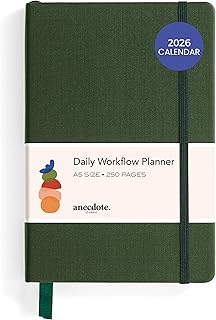
Digital apps are great, but the power of writing down your MIT and time-blocking your day is unparalleled. This physical planner forces you to prioritize and commit to your schedule. It is essential for the CEO Routine and the Financial Routine, as it offers dedicated space for gratitude, daily wins, and tracking productivity—a tangible way to enact the discipline taught by the top finance books.
Key Features:
- Undated format (start anytime, no wasted pages)
- Time blocking templates
- Priority task sections
- Gratitude and reflection areas
- High-quality paper that won’t bleed through
Best For: All routines, especially those needing structure and tangible progress tracking.
Check Price on AmazonAdvanced Topics: Taking Your Morning Routine to the Next Level
Habit Stacking: The Secret to Consistency
Habit stacking involves “stacking” new habits onto existing ones. For example: “After I brush my teeth, I will drink a glass of water.” This leverages existing neural pathways to make new habits stick faster.
Sample Habit Stack for Beginners
- Wake up → Drink water
- Drink water → Open curtains for light
- Light exposure → 5 minutes of stretching
- Stretching → Write MIT for the day
- Write MIT → Begin deep work session
Seasonal Adjustments: Adapting to Life Changes
Your morning routine should evolve with your life circumstances:
| Life Phase | Routine Focus | Time Available | Recommended Routine |
|---|---|---|---|
| Student | Learning, retention | 60-90 minutes | Creative + Productivity hybrid |
| New Parent | Energy, efficiency | 20-30 minutes | Minimalist + Wellness hybrid |
| Career Peak | Output, leadership | 90-120 minutes | CEO + Biohacker hybrid |
| Retirement | Health, purpose | Flexible | Wellness + Creative hybrid |
| Entrepreneur | Growth, resilience | 60-180 minutes | Financial + CEO hybrid |
Digital Detox: Reclaiming Your Attention
The 30-30-30 Rule
Spend the first 30 minutes after waking: 30 feet away from your phone, 30 ounces of water consumed, and 30 seconds of sunlight exposure. This simple rule transforms most mornings.
Common Challenges and Solutions
Frequently Asked Questions
What if I’m not a morning person?
Start with 15 minutes earlier than usual, not 2 hours. Use light exposure immediately upon waking to reset your circadian rhythm. Consider getting a dawn simulator alarm clock. The key is consistency, not extreme early rising.
How long until I see results?
Immediate benefits (better mood, more energy) appear within 3-7 days. Significant productivity gains emerge around day 21. Life-changing results typically manifest after 66 days—the average time for habit formation.
What if I miss a day?
Don’t beat yourself up. The “all or nothing” mindset destroys routines. Instead, adopt the “never miss twice” rule. One missed day is a break; two missed days is the start of a new habit (of not doing it).
Can I combine routines?
Absolutely! Start with one routine for 30 days, then layer in elements from another. Most successful people eventually create a hybrid routine. For example: 20% Wellness + 40% Productivity + 20% Financial + 20% Creative.
What about weekends?
Maintain a simplified version—maybe 30% of your weekday routine. Consistency across weekends prevents “Monday drag.” But allow flexibility; perfection is the enemy of consistency.
How do I measure progress?
Track: 1) Consistency (days completed), 2) Output (tasks completed), 3) Energy levels (1-10 scale), 4) Mood improvement, 5) Goal progress. Use a simple spreadsheet or journal.
The 30-Day Morning Routine Challenge
Your Month-Long Transformation Plan
- Days 1-7: Foundation Week – Focus on waking at the same time daily and completing just 3 core tasks from your chosen routine.
- Days 8-14: Habit Formation – Add one new element. Focus on consistency over perfection.
- Days 15-21: Optimization – Adjust timings and elements based on what’s working. Remove what isn’t.
- Days 22-30: Mastery – Your routine should feel automatic. Begin tracking measurable results.
Final Blueprint for Your Best Morning
The morning routine is a keystone habit. It is the one small action that, when done consistently, catalyzes positive change across all other areas of your life—from your credit score to your mental clarity.
Your Success Checklist
- Choose ONE primary routine based on your biggest current goal
- Commit to it for 30 days without modification
- Prepare everything the night before
- Track your progress daily
- Review and adjust weekly
- Celebrate small wins
- Never miss twice
Don’t try to adopt all five checklists at once. Pick the one that aligns with your biggest goal right now, commit to it for 30 days, and use the power of consistency to build your empire, one sunrise at a time.
The Ripple Effect: How Morning Routines Transform Entire Lives
When you master your mornings, you don’t just improve your productivity or health—you transform your identity. You become the type of person who:
- Keeps Promises: Starting with the promise to yourself each morning builds self-trust.
- Values Time: Morning routines teach you that time is your most valuable asset.
- Acts Proactively: You stop reacting to circumstances and start creating your reality.
- Maintains Discipline: Small daily disciplines compound into life-changing results.
- Inspires Others: Your transformed energy and results inspire those around you.
Continue Your Journey to Success: Related Reading
Dive deeper into productivity, finance, and wellness with these essential guides from Listify.blog:
Additional Essential Reading:
- The Top 10 Books on Personal Finance You Need to Read
- 8 Essential Gadgets for Your Home Office Setup
- Top 5 Kitchen Gadgets That Are Actually Worth the Money
- 10 Simple Ways to Reduce Screen Time Every Day
- 7 Smartphone Settings You Need to Change Immediately
- Top 5 Habits of Highly Effective People
- Top 10 Budget Laptops Under $500
- 5 Free Password Managers Ranked and Reviewed
- The Ultimate Checklist for Building Your First PC
- Ultimate Packing List for a 10-Day Europe Trip
- The Top 5 Cheapest European Cities to Visit Right Now
- 8 Essential Items to Include in Your Carry-On Bag
- Checklist: How to Plan a Trip in 7 Simple Steps
- The Best 5 Travel Rewards Credit Cards of the Year
- 7 Habits of People Who Are Good with Money
- The 4 Types of Investment Accounts Explained
- 7 Quick and Healthy Weeknight Dinner Ideas
- The Essential 4-Step Skincare Routine Checklist
Your Morning Routine Implementation Checklist
- ✅ Choose your primary routine based on current goals
- ✅ Set your wake-up time (be realistic)
- ✅ Prepare your environment tonight
- ✅ Set your alarm (phone in another room)
- ✅ Have water ready by your bed
- ✅ Know your MIT for tomorrow
- ✅ Commit to 30 days consistency
- ✅ Plan your celebration for Day 30
Your journey begins tomorrow morning. Not Monday. Not next month. Tomorrow. The compound effect of daily morning routines is staggering. In one year, you’ll have gained 365 hours of focused time, completed 365 most important tasks, and built unshakeable discipline that permeates every area of your life.
The person you’ll become in 12 months will thank the person you are today for making this commitment. Start small, stay consistent, and watch as your mornings—and your life—transform beyond recognition.